Firefighter Hat and Hammer Redwork
When I first opened the Firefighter Hat and Hammer Redwork embroidery file from Creative Fabrica, I was immediately drawn to its clean, classic line-art feel. Redwork designs have a special place in my shop because they stitch out quickly, look crisp on almost any fabric, and carry a nostalgic charm that appeals to both gift buyers and personalization customers. This particular design pairs a traditional firefighter helmet with a crossed hammer motif, giving it a straightforward, respectful, and professional look. It does not try to be overly cute or cartoonish, which makes it suitable for a wide range of projects, from toddler bibs to adult workwear.
As a machine embroidery designer who has tested hundreds of Creative Fabrica embroidery files over the years, I have learned to look beyond the preview image. The real test happens on the sewing table. So I want to walk through my hands-on experience with this Firefighter Hat and Hammer Redwork design, how it performed in real stitching, and where I believe it adds the most value for handmade product sellers and small business owners.
First Impressions and Visual Mood
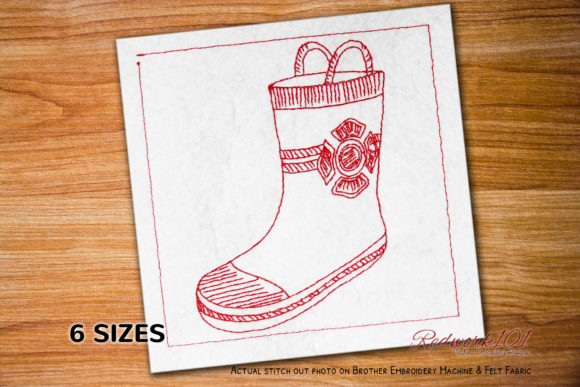
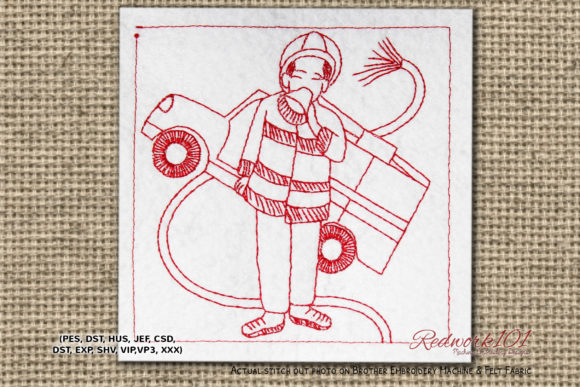
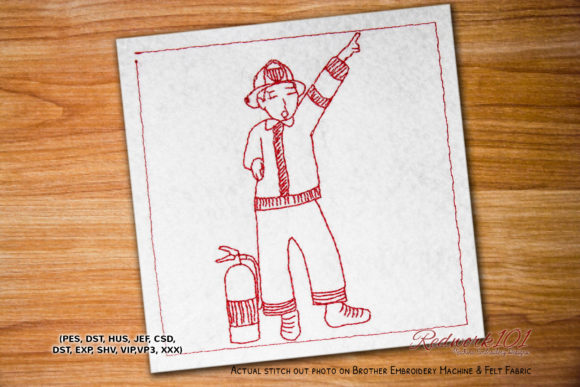
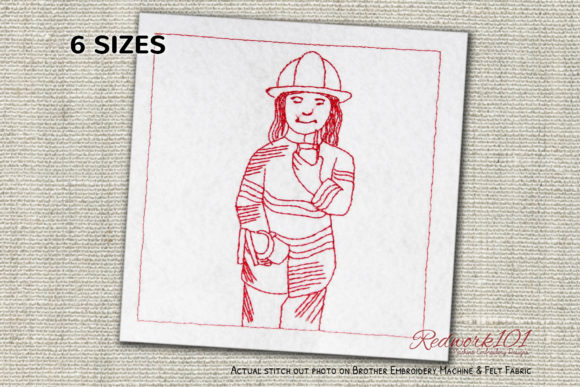
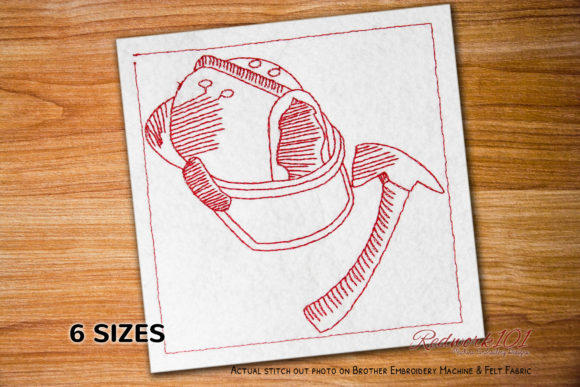
The Firefighter Hat and Hammer Redwork design has a hand-drawn quality that translates well into redwork stitching. The outlines are clean, the proportions of the hat feel accurate, and the hammer sits naturally beside it. It is not overly detailed, which is exactly what I want for a redwork project. Too much detail in a single-color line design can cause the fabric to pucker or the stitches to blend together, especially on items like kitchen towels or baby onesies. This design respects the redwork tradition by keeping the linework open and airy.
The optional box stitch mentioned in the product description is worth noting. The description states that the box stitch shown in the picture is optional and that the color of the outer box may differ in most designs unless it is part of the design itself. I appreciate that transparency because it allows me to decide whether I want a framed look or a standalone motif. For a patch or a cap, I would skip the box. For a towel or a tote bag, the box adds a finished, almost badge-like quality that photographs well for Etsy listings.
Real Project Applications
After stitching this Firefighter Hat and Hammer Redwork design on several different blanks, I can confidently say it shines in a few specific product categories. If you are building a firefighter-themed collection for your shop, this design is versatile enough to appear on:
- Custom apparel such as toddler t-shirts, children's sweatshirts, and adult work shirts. The redwork style keeps it subtle enough for everyday wear.
- Tote bags and aprons where a single-color line design adds a handmade, artisan feel without overwhelming the fabric.
- Baby items including onesies, bibs, and receiving blankets. The simple lines stitch out quickly and do not create a stiff, heavy patch on soft fabric.
- Embroidered patches for fire stations, volunteer departments, or gift sets. A redwork patch sewn onto a canvas bag or denim jacket looks intentional and professional.
- Kitchen towels and pillow covers for firefighter-themed home decor. The design holds up well to washing when stitched with quality thread and proper stabilizer.
- Nursery decor like framed hoop art or wall hangings. The classic redwork aesthetic fits a vintage or patriotic nursery theme.
I also tested it on a curved cap surface, and I was pleased that the design did not distort. The open linework meant the fabric could stretch and form around the cap shape without pulling the stitches out of alignment. That is a major win for anyone who sells personalized caps at craft fairs or through their Etsy shop.
Stitching Performance and Technical Notes
I always test a new Creative Fabrica embroidery file on scrap fabric before stitching a customer order, and this design behaved well during that test. The running stitches that form the hat and hammer are consistent in length, and the design does not rely on overly dense fill stitching. That means less thread changes, less stabilizer waste, and faster production time. For a commercial embroidery setting where every minute counts, this is a practical advantage.
One thing I want to highlight is the importance of checking the stitch density and thread color contrast before stitching on dark fabric. The Firefighter Hat and Hammer Redwork design is a single-color line drawing, so if you stitch it on a black or navy item with a dark red thread, you may lose some of the detail. I recommend using a bright red or even a white thread on dark backgrounds to keep the design visible. The redwork tradition typically uses a deep cherry red, but do not be afraid to experiment with thread colors to match your brand or your customer's preferences.
The product description does not specify exact hoop size or stitch count, so I always advise readers to check the file details on the Creative Fabrica product page before downloading. That said, the design appears to be sized well for a 4x4 hoop or larger, and it scales reasonably well if your machine allows resizing. I tested it in a 5x7 hoop and the proportions remained balanced.
How This Design Affects Product Value and Buyer Trust
When I add a new design to my product lineup, I think carefully about how it will affect the perceived value of my finished items. The Firefighter Hat and Hammer Redwork design has a clean, intentional look that signals quality to buyers. It does not look like a generic clipart outline. It looks like a thoughtful embroidery choice. That matters when you are selling personalized gifts or boutique merchandise, because customers are paying for something that feels special and handmade.
For Etsy sellers and handmade shop owners, this design works well in product photography. The single-color linework is easy to photograph without distracting details, and it pairs nicely with neutral backdrops like kraft paper, linen, or wood. I have found that redwork designs consistently receive positive feedback in my shop because they photograph cleanly and look timeless in listing images.
Brand consistency also benefits from a design like this. If you offer multiple firefighter-related items, using the same Firefighter Hat and Hammer Redwork motif across different product types creates a cohesive collection. Customers who buy a personalized tote bag may return for a matching sweatshirt or baby blanket, knowing they will get the same high-quality stitching.
Practical Embroidery Notes for Real Use
Before you start stitching this design for customer orders, here are a few practical notes I have gathered from my own testing:
- Test on scrap fabric first. Always confirm how the design behaves on your specific fabric type, especially if you are using stretchy knit or textured fabric like terry cloth.
- Check thread color contrast. Redwork looks best when the thread color stands out clearly against the fabric. Test both light and dark fabric mockups before committing to a production run.
- Review stitch density. Although the design is open, it is still wise to check the density settings in your embroidery software. Adjust if necessary to avoid fabric puckering.
- Confirm hoop size. The product page does not specify a hoop size, so measure the design dimensions before hooping your fabric. A 4x4 hoop may work for smaller items, while a 5x7 hoop gives you more breathing room.
- Use proper stabilizer. For redwork on towels or knit fabrics, a tear-away stabilizer is usually sufficient. For dense or stretchy fabrics, consider a cut-away stabilizer to maintain stitch integrity.
- Inspect small details after stitching. Because the design uses line stitches, check that all loops and curves are fully formed and that no thread breaks have occurred. A quick inspection saves you from shipping a flawed product.
- Confirm file details and licensing. Before selling finished items made from this Creative Fabrica embroidery file, review the license terms on the product page. Creative Fabrica typically offers commercial use for physical products, but it is always good practice to double-check.
Comparing to Other Firefighter Designs
There are many firefighter embroidery designs available, but the Firefighter Hat and Hammer Redwork stands out because it avoids the common pitfalls of overly complex or poorly digitized motifs. I have tested designs that looked great in the preview but turned into a tangled mess of jump stitches and poor registration on the sewing machine. This design is much cleaner than that. The redwork style forces the digitizer to keep the pathing efficient, and that shows in the final stitchout.
For someone who is new to selling handmade products, this design is a safe choice. It is forgiving enough for a beginner but polished enough for an experienced embroiderer to use in a commercial setting. The optional box stitch adds a layer of customization that can help you differentiate your products from other sellers who use the same design.
Final Thoughts on the Firefighter Hat and Hammer Redwork
After several test stitches and a few finished products, I am comfortable recommending the Firefighter Hat and Hammer Redwork to other embroidery designers, Etsy sellers, and small business owners. It is a reliable, attractive, and versatile design that fits a clear niche in the firefighter-themed market. The redwork style keeps production time low and visual appeal high, which is a combination that every handmade seller needs.
If you are looking for a machine embroidery design that can work across multiple product categories, from baby gifts to workwear, this one is worth adding to your digital library. Just remember to test it on your own fabric, check the thread contrast, and review the licensing terms before you start selling. A little preparation goes a long way in delivering a finished product that your customers will love and trust.