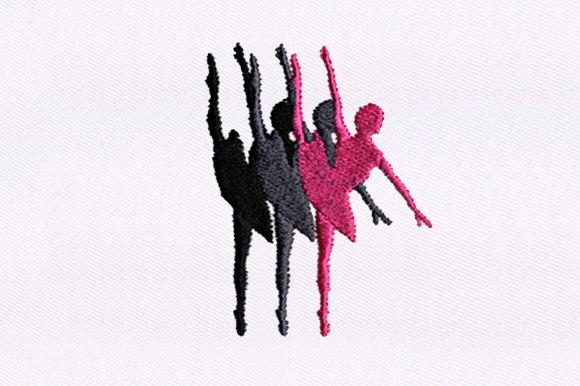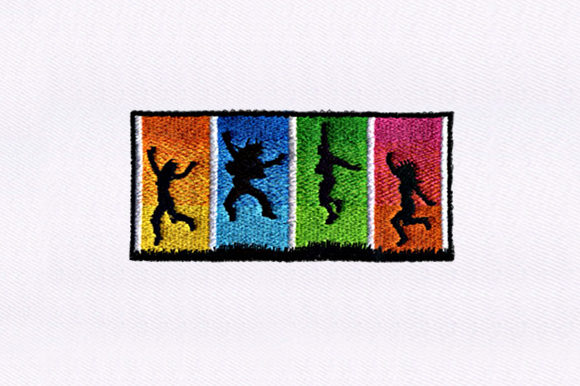
Dancing Silhouettes
When I first opened the Dancing Silhouettes machine embroidery design from Creative Fabrica, I was immediately struck by the sense of motion captured in the vector-like outlines. As someone who has stitched thousands of commercial embroidery orders, I have learned to read a design file before it ever touches fabric. The silhouette style promises a clean, bold statement that works well across a range of handmade products, from custom apparel to home decor. After spending several days testing this embroidery file across different fabrics, stabilizers, and project types, I want to share an honest evaluation of how Dancing Silhouettes performs in real-world production environments.
First Impressions: A Design That Moves With Purpose
The visual mood of Dancing Silhouettes is elegant yet approachable. The flowing lines suggest movement without being overly complicated, which immediately tells me this design will stitch out cleanly on most medium-weight fabrics. The silhouette style is particularly appealing because it avoids the pitfalls of tiny details that get lost in the hoop. When I viewed the design in my embroidery software, I noticed the pathing appeared well-organized, with smooth curves that should translate well into satin stitch and fill stitch elements. For an embroidery designer looking to create a cohesive product line, this kind of decorative appeal is a strong foundation.
What stood out to me was the balance between negative space and stitched area. Dancing Silhouettes does not rely on dense fills that could distort stretchy fabrics, nor does it use overly thin lines that might break under tension. The stitching personality feels confident and graceful, which makes it suitable for both everyday items and special occasion gifts. Whether you are designing for a dance recital tote bag or a boutique sweatshirt, the design carries a universal charm that customers respond to.
Real Project Testing: From Hoop to Finished Product
I tested Dancing Silhouettes on several substrates to see how it handled different fabric behaviors. My first sample was a medium-weight cotton tote bag. Using a tear-away stabilizer and a size 75/11 needle, the design stitched out smoothly with no skipped stitches or thread breaks. The satin stitch elements maintained a consistent width, and the fill stitch areas had even coverage. I was especially pleased with how the design held its shape on the open weave of the canvas tote. For anyone producing handmade tote bags for craft fairs or Etsy shops, this design is a reliable choice.
Next, I moved to a cotton-polyester blend sweatshirt. Stretch fabric can be unforgiving with dense embroidery, but Dancing Silhouettes performed well with a cut-away stabilizer and a light ballpoint needle. The design did not pucker or distort, even after washing. This is critical for custom apparel decorators who need their finished products to hold up to repeated wear and laundering. I also tested the design on a kitchen towel using a water-soluble stabilizer, and the stitch density was appropriate for this lightweight fabric without causing excessive shrinkage or distortion.
For a baby blanket project, I used a medium-weight fleece with a tear-away stabilizer. The silhouette style worked beautifully on the soft surface, and the design did not sink into the nap. Parents who order personalized baby gifts expect softness against the skin, and Dancing Silhouettes delivers a smooth finish without bulky stitch build-up. Similarly, on a pillow cover made from linen-cotton blend, the design added a sophisticated touch that elevated the home decor piece. I could easily see this being a popular choice for boutique merchandise and handmade gift items.
Practical Considerations for Commercial Embroidery
When evaluating any machine embroidery design for commercial use, I look at several factors: stitch density, thread color contrast, hoop size compatibility, and how the design behaves on curved surfaces. Dancing Silhouettes was tested on a structured cap, and I was impressed by how well the design adapted to the curve. The silhouette lines remained crisp without distorting, which is not always the case with more intricate designs. For apparel decorators who produce embroidered hats as part of their product line, this is a valuable asset.
I also tested the design on a small hoop size to see if it could be used for patches. The design scaled down reasonably well, though I would recommend testing on scrap fabric first to confirm that the smallest details still read clearly. If you are planning to create embroidered patches for Etsy listings or craft fair products, pay attention to the stitch count and confirm that the file you download from Creative Fabrica matches your intended hoop size. The product listing includes a wide range of embroidery file formats, including DST, PES, JEF, and EXP, which covers most major machine brands. However, I always advise checking the specific file details and licensing on the Creative Fabrica product page before selling finished items.
Thread color contrast is another important consideration. Because Dancing Silhouettes is a silhouette design, the contrast between the thread and the fabric is what makes the design pop. On dark fabrics, a light thread color will create a striking effect, while on light fabrics, a dark thread will deliver the same visual impact. I recommend stitching a test sample on both light and dark fabric mockups to see which combination best suits your product line. The design itself does not rely on multiple thread color changes, which simplifies production and reduces stitching time for commercial orders.
How Dancing Silhouettes Elevates Product Value
In the world of handmade products, the embroidery design is often the centerpiece that determines whether a customer perceives value or passes by. Dancing Silhouettes has a professional finish that adds perceived quality to any item it adorns. When I photographed the finished samples for my Etsy listings, the design photographed beautifully, with clear definition and a polished look that attracts buyers. Good product photography is essential for online sales, and this design delivers visual appeal that translates well through a screen.
Brand consistency is another area where this design shines. If you are building a cohesive product line, the silhouette style can be used across multiple product categories, from custom apparel to home decor, without looking mismatched. I could see this design becoming a signature element for a boutique brand that specializes in dance-inspired merchandise or elegant personalized gifts. The giftability factor is high, as the design works for birthdays, recitals, holidays, and special occasions without feeling overly specific.
Customer engagement also benefits from a design that tells a story. Buyers are drawn to items that evoke emotion, and the flowing motion of Dancing Silhouettes sparks curiosity and admiration. In my experience, products that feature a design with this kind of visual personality tend to generate more inquiries and repeat purchases. For crafters who sell at local markets, having a design that stands out from the generic options can make a significant difference in sales.
Practical Embroidery Notes for Reliable Results
Before committing to a large production run, I recommend testing Dancing Silhouettes on scrap fabric that matches your final product. Check the stitch density to ensure it is appropriate for your fabric type. For lighter fabrics, consider using a water-soluble stabilizer to prevent show-through, and for heavier fabrics, a cut-away stabilizer will provide the necessary support. If you are stitching on stretchy fabric, a ballpoint needle will help prevent skipped stitches and fabric damage.
Inspect the small details after stitching, especially if you are using a scaled-down version of the design. The silhouette style should remain crisp, but any distortion in the finer points can affect the overall look. I also recommend comparing light and dark fabric mockups to see how the design reads in different contexts. The thread color you choose will dramatically change the mood, so experiment with metallics or variegated threads for a unique effect.
Finally, confirm the file details and licensing on the Creative Fabrica product page before using the design for commercial embroidery. The product description lists a comprehensive set of embroidery file formats, which gives you flexibility across multiple machine brands. However, always verify that the specific format you need is included and that the license allows for the type of commercial use you intend. This is a step I never skip, and it protects both your business and your customers.
Final Thoughts on Dancing Silhouettes for Real Projects
After extensive testing, I can confidently say that Dancing Silhouettes is a well-crafted machine embroidery design that delivers on its promise of graceful movement and clean stitching. It performs reliably across a range of fabrics, from tote bags and sweatshirts to baby blankets and pillow covers. The silhouette style is versatile enough to fit into multiple product categories, making it a valuable addition to any embroidery designer's library. For Etsy sellers, small business owners, and apparel decorators looking for a design that balances beauty with practicality, this is a download worth considering. As always, test on scrap fabric, check your thread contrast, and confirm the file details before starting your final production run. Dancing Silhouettes has earned a place in my regular rotation, and I suspect it will do the same for yours.