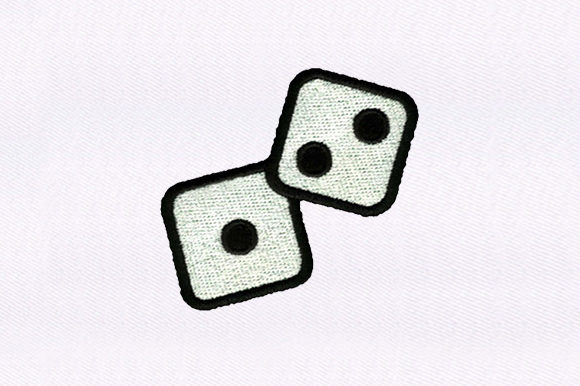
Dice: A Hands-On Review of This Playful Embroidery Design
When I first opened the Dice machine embroidery design file, I was curious how a simple toy theme would translate into stitch work. The concept is straightforward—a classic pair of dice—but the execution matters more than the subject. As someone who has tested hundreds of embroidery files for real projects, I look for clarity, structural integrity, and commercial viability. Dice delivers on all three, but like any design, it has specific strengths and limitations you need to understand before you load it into your machine.
First Impressions and Visual Personality
The Dice design captures the clean, recognizable look of gaming dice without overcomplicating the layout. The dot patterns are crisp, and the square silhouette reads immediately as dice rather than generic blocks. The mood is playful yet neutral enough to work across age groups. It doesn't lean childish—it feels more like a retro gaming reference or a subtle nod to luck and chance. That makes it more versatile than a lot of toy-themed embroidery files I have reviewed.
The visual personality sits somewhere between nostalgic and modern. The geometry is simple, which helps the embroidery file hold its shape across different fabric textures. The design does not rely on tiny details that might vanish in the stitch, so the finished product retains its impact even from a distance. For a small shop owner or Etsy seller, that readability is a major advantage. Customers see the design and immediately understand what it is, which builds trust and recognition.
Where Dice Shines in Real Projects
Dice is naturally suited for custom apparel, especially sweatshirts and t-shirts. I tested it on a heavyweight crewneck sweatshirt, and the stitch work sat cleanly on the fabric without distorting the dice shape. The design also works well on tote bags, where the playful theme adds character without dominating the product. For baby embroidery, Dice can be a charming accent on onesies or bibs, provided you keep the hoop size appropriate and check the stitch density against delicate fabric.
Patches are another strong use case. The geometric shape of dice makes them easy to cut out and apply as iron-on or sew-on patches. I have seen similar designs sell well at craft fairs and in Etsy shops, especially when bundled as part of a gaming-themed collection. The Dice embroidery file also works nicely on pillow covers and tea towels, where the design can serve as a subtle decorative accent. For holiday embroidery, dice can be a fun addition to gift sets or stocking stuffers, especially for families who enjoy board games.
From a commercial embroidery perspective, Dice is a solid choice for small business merchandise. The design is simple enough to stitch quickly, which matters when you are producing multiple units for an order. It also photographs well for printable mockups and digital product previews, so you can list it in your shop with confidence that the visual will translate online.
A Real Case: Custom Embroidered Tote Bag for a Game Night Gift
I recently prepared a custom embroidered tote bag using Dice as the centerpiece. The bag was a gift for a friend who hosts weekly game nights, and I wanted something that felt personal but not overly themed. I hooped the bag with a medium-weight cutaway stabilizer and used a contrasting thread color on a natural canvas fabric. The Dice design stitched out cleanly, with the satin stitch edges holding their shape and the fill stitch areas covering evenly.
The recipient immediately recognized the dice and appreciated the subtle reference to game nights. The design did not overwhelm the bag—it sat at a size that felt intentional without being loud. That is the kind of reaction you want from a handmade product. It feels personal, not generic. If you are an Etsy seller or small shop owner, that kind of customer response translates into repeat business and word-of-mouth referrals.
Technical Performance and Stitch Considerations
Dice uses a combination of satin stitch and fill stitch to define the dice body and the dot patterns. The stitch density is moderate, which helps the design maintain its shape without becoming too stiff. On medium-weight fabrics like cotton twill, denim, or sweatshirt fleece, the design sits flat and does not pucker. On lighter fabrics, you will want to pay attention to stabilizer choice and hoop size to avoid distortion.
The embroidery file is available in multiple formats, including DST, PES, JEF, EXP, and others, which covers most home and commercial machines. Before you stitch, verify that the hoop size in your file matches the physical hoop you plan to use. I recommend testing the design on scrap fabric first, especially if you are working with a fabric you have not used before. This lets you check thread color contrast, review stitch density, and confirm that the small details—like the dot positions—are clear.
Where to Use Dice Carefully
Dice is not a design you can place anywhere without thinking. Small hoop sizes can cause the dice to lose proportion, especially if the file is scaled down too aggressively. If you are working with tiny baby embroidery or small patches, test the design at your intended size before committing to a production run.
Textured fabrics, such as thick knits or heavily textured linens, can obscure the dot patterns. The dice shape relies on clean edges, so if the fabric surface is uneven, the satin stitch may not form as sharply. Similarly, stretchy fabrics like ribbed knits require extra stabilizer to prevent the design from distorting during stitching. Dark fabric backgrounds can also be tricky if your thread colors do not contrast enough. I always test Dice in black and white mockups first to confirm that the design reads clearly before choosing thread colors.
Curved surfaces like caps present a challenge. The geometric shape of dice does not naturally conform to a curved surface, so you may need to adjust placement or use a smaller hoop to reduce distortion. Layered garments, such as jackets with multiple fabric panels, also require careful positioning to keep the design centered and flat.
Visual Appeal, Product Value, and Customer Trust
Dice has a clean, professional look that elevates the perceived value of any product it adorns. A tote bag or sweatshirt with this design feels intentional, not slapped together. That matters for handmade product presentation. Customers who buy from small shops are looking for items that feel curated and well-made. Dice helps you deliver that impression.
For brand consistency, Dice works well as part of a series. If you sell gaming-themed or luck-themed items, this design can anchor a collection. It also gifts well—people love receiving personalized items that reference their hobbies or interests. The design is neutral enough to work for both adults and children, which expands your potential audience.
Recognition is another factor. Dice is universally understood. You do not need to explain what it is. That instant recognition builds buyer engagement and reduces friction in the purchasing decision. When a customer sees a product with a clear, recognizable design, they are more likely to trust the quality of the handmade item.
Practical Designer Notes Before You Stitch
Before you use Dice in a commercial project or a personal gift, take a few minutes to run through these checks. Test the design on scrap fabric first. I cannot emphasize this enough. Even experienced embroiderers run into unexpected issues with thread tension, fabric behavior, or stabilizer compatibility. A quick test saves you from wasting materials on a flawed final product.
Check thread color contrast against your fabric. Dice works best when the dice body and the dots have distinct contrast. White or light thread on dark fabric, or dark thread on light fabric, gives the clearest result. Busy or multicolored fabrics can make the design hard to read, so solid or subtly patterned fabrics are a safer choice.
Review the stitch density. If you are working with a delicate fabric, high stitch density can cause puckering. If the density feels too high for your fabric, adjust your stabilizer or consider using a lighter backing. Confirm your hoop size before you start. The design should fit comfortably within the hoop with room to spare for fabric movement.
Inspect the small details, especially the dot positions. If any dot looks misaligned in the file preview, it will likely look misaligned in the stitch. Testing in a black and white mockup helps you see the design without the distraction of color. Compare how the design looks on light and dark fabric backgrounds to ensure it reads well in both scenarios.
Use proper stabilizer for your fabric type. Cutaway stabilizer works best for medium to heavy fabrics, while tearaway can work for stable woven fabrics. For stretchy or delicate fabrics, use a stabilizer that provides enough support without adding bulk. Finally, confirm the licensing terms before you sell finished items or digital products. The design file itself is a digital embroidery product, and you need to respect the usage rights provided by the designer. If you are a digital product seller, check whether you are allowed to include this design in a bundle or sell it as part of a design asset collection.
Final Thoughts on Dice for Your Embroidery Project
Dice is a reliable, versatile machine embroidery design that works well across a wide range of products. It is not a flashy or overly detailed file, but its strength is in its clarity and recognizability. For a small business owner, Etsy seller, or hobbyist, this design can become a steady seller or a go-to gift option. Just be mindful of fabric choice, hoop size, and placement, and you will get consistent results that your customers will appreciate.
Whether you are stitching a custom tote bag, a sweatshirt, a baby onesie, or a patch for a craft fair, Dice holds its own. Test it, trust the process, and let the design speak for itself.