Heart Tribal Embroidery Design – A Practical Review for Real Projects
As someone who has tested hundreds of machine embroidery designs over the years, I’ve learned that a design file can look promising on screen but fall flat once the needle hits the fabric. When I first opened the Heart Tribal embroidery file, I was curious how it would translate from digital preview to a stitched finished product. After running it through several projects, I’m ready to share what works, what to watch for, and what kind of handmade product this design truly shines on.
First Impressions: Mood, Shape, and Visual Personality
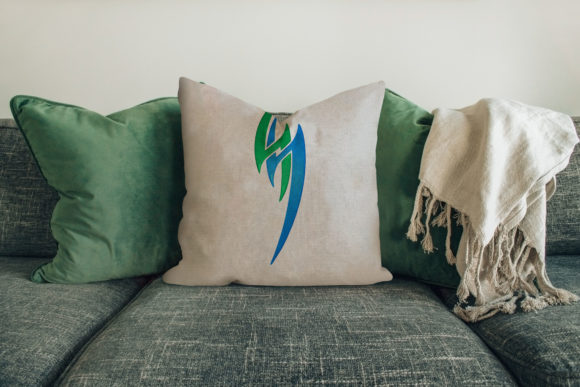
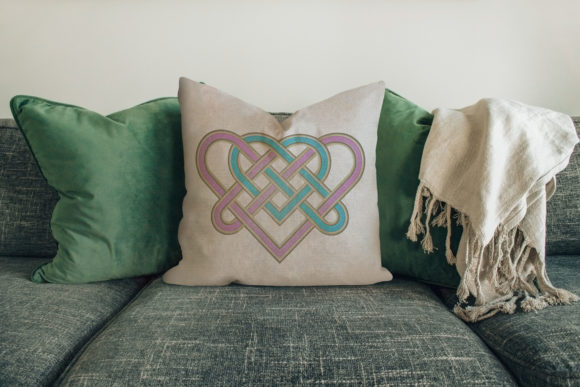
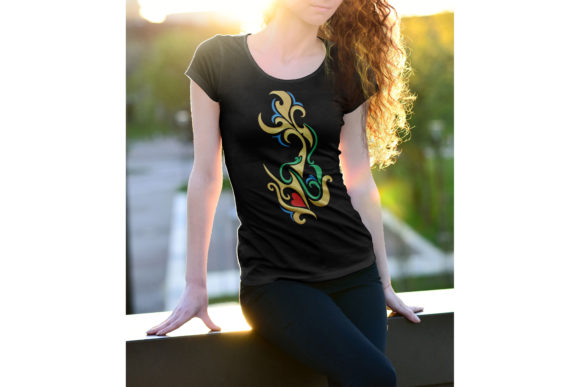
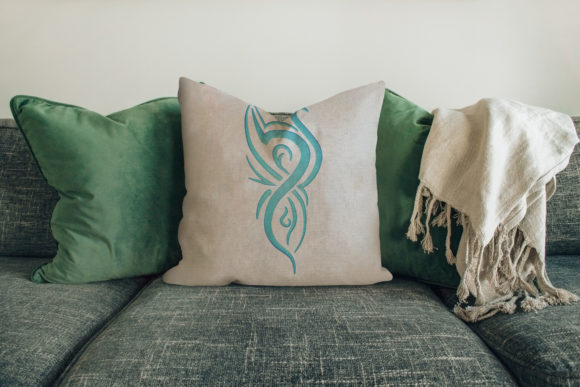
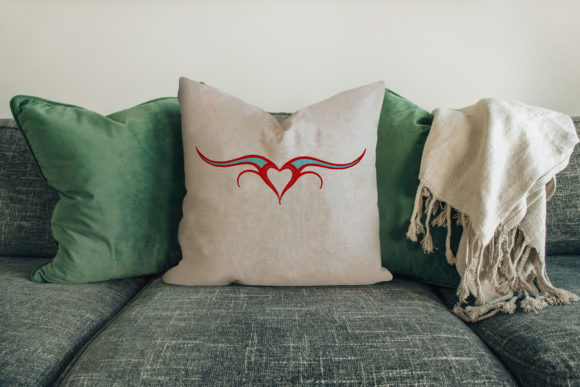
Heart Tribal carries a confident, grounded feel. The heart shape is instantly recognizable, but the tribal styling adds a layer of texture and symbolic weight. It doesn’t feel delicate or overly romantic. Instead, it reads as bold, earthy, and slightly edgy. The layout is clean and centered, with a balanced silhouette that works well as a standalone focal point or as part of a larger composition.
The level of detail is moderate. There are no tiny, fragile elements that would vanish into fabric, but the design does have distinct sections that rely on clean stitch transitions. The visual personality leans toward unisex appeal, which is a practical advantage if you are creating custom apparel or handmade products for a broad customer base. It feels like a design that could hold its own on a sweatshirt embroidery project, a leather-look patch, or a rustic tote bag design.
Real-Life Test: Stitching the Heart Tribal on a Tote Bag
For my first real project, I chose a medium-weight canvas tote bag. I wanted to see how the machine embroidery design handled a fabric that has some body but is not overly stiff. I used a medium-weight cutaway stabilizer and a standard sharp needle. The stitch density felt appropriate for this fabric type. The design stitched out cleanly without any puckering or distortion around the edges.
The satin stitch sections maintained a smooth, even width, and the fill stitch areas covered the fabric well without excessive stiffness. I tested it in a single color first, then tried a two-color version where the inner heart motif was a slightly darker shade. Both approaches worked, but the single-color version felt more cohesive for a casual, everyday product. If you are a small business owner or Etsy seller looking to produce consistent inventory, the single-color option is efficient and visually reliable.
After the tote bag, I moved to a cotton-blend sweatshirt. The design handled the slight stretch of the fabric without issue, provided I used a ballpoint needle and a tear-away stabilizer with a light fusible backing. The applique design potential here is worth noting. If you prefer a layered look, the tribal sections could be rendered as fabric applique with satin stitching around the edges. That would give the finished product a handcrafted, dimensional feel that stands out at a craft fair or boutique market.
Where Heart Tribal Performs Best
Based on my testing, this design is versatile across several product categories. Here are the applications where it delivered the strongest results:
- Custom apparel – T-shirts, sweatshirts, and hoodies benefit from the bold, centered shape. It does not overwhelm a chest or back placement.
- Tote bags and aprons – The design’s sturdy lines hold up well on canvas, denim, and twill. It feels natural on a market tote or a kitchen apron.
- Embroidered patches – Because the design has defined edges and moderate stitch density, it works well as a patch. You can stitch it on felt or twill, cut it out, and attach it to bags, jackets, or caps.
- Pillow covers and home decor – The tribal motif adds a decorative accent without being too fussy. It fits the House category nicely when used on a throw pillow or a small wall hanging.
- Baby embroidery and kids’ items – With the right thread colors, the design can be softened for a nursery project. A muted earth tone or pastel palette keeps the tribal shape playful rather than heavy.
- Holiday and gift items – The heart shape makes it a natural choice for Valentine’s Day, anniversary gifts, or family-themed products. It feels personal without being overly sentimental.
If you are a digital product seller or creative entrepreneur who creates printable mockups, this design presents well on a white or light gray background. The shape reads clearly even at a small scale, which helps when you are photographing or mockuping your finished products for online listings.
Where to Use Heart Tribal with Caution
No design is perfect for every surface, and Heart Tribal has a few limitations worth noting before you commit to a production run.
- Small hoop sizes – The design is available in six sizes, but if you choose the smallest option, check the detail areas carefully. The tribal lines can become muddy if the design is scaled down too much. Test the smallest size on scrap fabric first to confirm the stitch paths remain crisp.
- Thin or stretchy fabric – On lightweight knits or single-knit t-shirts, the stitch density may cause some distortion if you do not use a proper stabilizer. A fusible cutaway stabilizer is your friend here. Avoid tear-away on thin fabric with this design.
- Dark fabric backgrounds – The tribal sections rely on clear contrast to read well. If you stitch it on a dark navy or black fabric, make sure your thread color is light enough to create separation. A metallic or bright thread can work, but test it first. The design does not have built-in underlay that would dramatically change the lift on dark fabric, so plan your thread choices accordingly.
- Curved surfaces like caps – The design is a solid shape, which means it does not naturally curve with a hat brim. If you want to use it on a cap, you may need to slightly adjust the hoop placement or use a smaller size to avoid distortion at the edges. It is not a dealbreaker, but it requires a bit of extra setup.
- Frequent washing – For products that will be washed often, like kitchen towels or baby bibs, the stitch density should be evaluated. Dense fill areas can shrink slightly over time if the fabric is not pre-shrunk. A light stabilizer and a pre-wash of the fabric can help maintain the design’s shape.
How Heart Tribal Affects Product Value and Customer Perception
When a customer buys a handmade product, they are paying for the design, the craftsmanship, and the thought behind it. Heart Tribal contributes to that perceived value in a few ways. The tribal motif feels intentional and curated. It is not a generic heart shape. It suggests that the maker put thought into the design selection, which builds trust with buyers who appreciate original or culturally inspired ornamentation.
For commercial embroidery projects, the design’s clean lines and moderate complexity mean you can produce consistent results across multiple units. That is important if you are filling orders for a small boutique or a local gift shop. The design stitches out reliably, which reduces the risk of thread breaks or misalignment during a production run. For a craft business, that reliability translates directly into time saved and fewer wasted blanks.
From a brand consistency perspective, the design works well on a range of products. You can use it on a handmade product like a tote bag, then repeat the same motif on a matching pillow cover or apron. That gives your product line a cohesive visual identity without requiring a custom digitizing budget. If you are a small shop product creator or an Etsy seller looking to expand your offerings, this design can serve as a signature element across multiple categories.
Practical Designer Notes Before You Stitch
Before you load the digital embroidery file and start your first project, here are a few steps I recommend based on my experience with Heart Tribal.
- Test on scrap fabric first. Run a test stitch on the same fabric type you plan to use for the final product. Check the stitch quality, thread tension, and overall clarity. Adjust your stabilizer or needle if needed.
- Check thread color contrast. Open the design in your software and preview it against a dark background and a light background. Make sure the inner details will be visible at the size you intend to use. If the design has multiple elements, verify that the thread colors you plan to use create enough separation.
- Review stitch density. If the fabric is lightweight or loosely woven, the stitch density might cause the fabric to bunch. A heavier stabilizer or a layer of wash-away topping can help. If you are unsure, run a small test section before committing to a full production run.
- Confirm hoop size. The design is available in six sizes, so make sure the size you choose fits your hoop comfortably with at least a half-inch margin on all sides. Crowding the hoop can cause the fabric to shift during stitching.
- Inspect small details. Look at the narrowest parts of the tribal lines. If they are very thin, consider whether the fabric texture will support them. On fleece or thick terry, fine details can get lost. A slightly larger size may preserve the design’s integrity.
- Test in black and white mockups. Before you commit to a thread palette, print the design in grayscale to see how the tonal values interact. This is especially helpful if you are planning to sell the finished product online, where photos need to read clearly at a glance.
- Compare light and dark fabric backgrounds. The same design can look dramatically different on a white t-shirt versus a black sweatshirt. If you plan to offer the product in multiple colors, test the design on each base color to ensure consistent quality.
- Use proper stabilizer. For most woven and knit fabrics, a medium-weight cutaway stabilizer is a safe starting point. For stretchy fabrics, consider a fusible cutaway or a combination of tear-away and a light topping. The right stabilizer makes the difference between a professional finish and a puckered mess.
- Check licensing before selling. Since this is a digital embroidery file, confirm the license terms for commercial use. Some designs allow unlimited commercial use, while others restrict the number of finished products you can sell or require credit to the designer. Know the terms before you list your products on Etsy or at a craft fair.
- Document your test results. Keep a notebook with your test fabric, thread colors, stabilizer type, and notes. That way, when you want to reorder the design or produce a similar product, you have a reference that saves you time and materials.
Final Thoughts on Heart Tribal for Real Projects
Heart Tribal is a solid, reliable embroidery design that delivers on its promise of a bold, wearable motif. It is not a delicate decorative accent. It is a statement piece that works best when you let it stand on its own. For a handmade product like a tote bag, a sweatshirt, or a pillow cover, it adds a level of intention that customers notice. The finished product feels complete, not like you just added a random patch.
If you are a hobbyist looking for a design that works across multiple projects, or a small business owner building a product line, this design deserves a spot in your digital library. It is versatile enough for personalized gifts, custom apparel, and craft business inventory. Just take the time to test it on your specific fabric and stabilizer combination, and you will get a clean, professional result that your customers will appreciate.
Whether you are stitching it for yourself or for a client, Heart Tribal holds up well under real use. It is a design that respects the craft of embroidery, and that is something every maker can get behind.