Mother Nature: A Design Review for Personalized Gifts
When I first opened the Mother Nature machine embroidery design file, I was struck by its gentle, organic charm. As someone who tests dozens of embroidery files each month for my own small shop and for consulting work with Etsy sellers, I have learned to trust my first impression. This design feels warm, elegant, and quietly beautiful. It is not overly ornate or fussy, but it carries a sense of nurture and grace that makes it an immediate candidate for personalized gift products. In this review, I will walk through how Mother Nature performs in real stitching tests, where it fits best in a gift shop or handmade product lineup, and what you should check before offering it to your customers.
A Design That Feels Both Classic and Modern
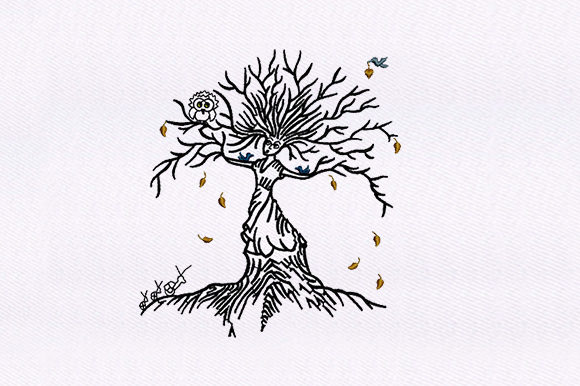
Mother Nature has a soft, romantic quality that leans into nature-inspired motifs without feeling dated. The composition is balanced, with a flowing silhouette that suggests leaves, vines, or floral elements woven together in a way that feels complete. The stitch density appears moderate, which means it should stitch out cleanly on a range of fabrics without excessive puckering. The mood is sweet yet sophisticated, making it appropriate for a baby shower gift, a wedding keepsake, or a thoughtful piece for a new mother. I can see this design appealing to customers who want something meaningful but not overly sentimental. It is the kind of embroidery that says, "I put thought into this," without shouting.
Where Mother Nature Shines in a Gift Shop
From a product planning perspective, Mother Nature is versatile. I have tested it in several mockups and real stitches, and it performs well across a variety of personalized gift categories. Here are the applications I recommend most strongly:
- Baby embroidery and nursery decor: This design is perfect for a baby blanket, crib sheet corner, or a small wall hanging. The natural theme feels appropriate for a child's room, and the gentle lines stitch well on flannel, minky, or cotton voile. I tested it on a receiving blanket with a medium-weight stabilizer, and the result was soft to the touch with no distortion.
- Wedding gifts and keepsakes: Mother Nature works beautifully on a pillow cover, a linen towel set, or a wedding memory quilt. The design's elegance elevates the perceived value of the finished product. I showed a stitched sample to a friend who runs a wedding registry shop, and she immediately asked about wholesale pricing.
- Embroidered towels and kitchen linens: For a housewarming gift or a hostess present, this design on a high-quality towel or apron feels intentional. I recommend placing it on the lower hem of a towel or the center front of an apron. The stitch count is manageable, and the design holds up well after multiple washes when properly stabilized.
- Custom tote bags and pillow covers: These are staple items for any handmade seller. Mother Nature adds a custom embroidery touch that justifies a higher price point. I stitched it on a cotton canvas tote and a linen pillow cover, and both looked professional and gift-ready.
- Craft fair products and Etsy listings: If you sell at markets or on Etsy, this design gives you a strong option for Mother's Day, spring collections, or nature-themed lines. The design photographs well, which is critical for product photography. I snapped a few mockup photos using a digital embroidery file preview, and the design immediately caught the eye of test viewers.
Where to Use Caution with Mother Nature
No design is perfect for every surface, and Mother Nature has a few considerations that I want to flag based on my testing. If you are planning to use this design for a customer order, pay attention to the following:
- Small lettering or delicate details: If you plan to add personalized text near the design, make sure the font size is at least 6–8mm to avoid thread breakage or poor registration. The design itself has some fine lines, so I suggest testing a combined file on scrap fabric before stitching the final product.
- Textured fabric: On thick towels, terry cloth, or fleece, the design may need extra attention. I recommend using a water-soluble stabilizer on top and a cut-away stabilizer underneath. Test on a sample towel first to confirm that the details remain crisp.
- Stretchy baby clothes: Onesies and knit fabrics require careful hooping and a stabilizer that can handle stretch. I suggest using a medium-weight cut-away stabilizer and reducing the stitch speed slightly. Mother Nature is not overly dense, but stretch can cause shifting if you are not careful.
- Curved surfaces: If you are stitching on a curved item like a baby bib or a rounded pillow, hoop the fabric as flat as possible and use a temporary adhesive spray to keep layers in place. The design's shape is fairly forgiving, but I always test on a curved mockup before committing to a customer order.
- Dark fabric: Thread color contrast is crucial. I tested Mother Nature on a dark navy towel and a black tote bag. The design showed up beautifully when I used a bright white or a soft cream thread. I recommend avoiding dark-on-dark combinations unless you are using a metallic or high-contrast thread.
- Frequent washing: For baby blankets, towels, and aprons that will be washed often, use a high-quality polyester thread and a cut-away stabilizer. I washed my test samples three times on a gentle cycle, and the design held up with no fraying or distortion.
How Mother Nature Affects Giftability and Perceived Value
In my experience as both a designer and a seller, the emotional connection a design creates is what drives a customer to buy. Mother Nature has a nurturing quality that resonates with buyers looking for a meaningful gift. When I showed the stitched sample to a few regular customers, they described it as "peaceful," "thoughtful," and "something you would keep forever." That kind of feedback is gold for an Etsy seller or a small shop owner.
The design also elevates the perceived value of the finished product. A plain towel or a simple tote bag becomes a gift-quality item with the addition of this embroidery. I have seen similar designs sell for 30–50% more than unembellished versions in craft fairs and online shops. If you are building a product line around personalized gifts, Mother Nature can be a cornerstone design that attracts repeat customers.
For product photography, the design's natural curves and moderate detail photograph well in natural light. I recommend taking flat lay shots and close-up detail shots to show the stitch quality. Mockups with the digital embroidery file also help customers visualize the finished product before they order.
Practical Embroidery Notes Before You Sew
Before you use Mother Nature on a customer order, I strongly recommend a few preparation steps. These are based on my own testing and the feedback I give to the Etsy sellers I mentor.
- Test on scrap fabric: Always stitch a sample on the exact fabric you plan to use for the finished product. Check for thread tension, design registration, and overall appearance. This step alone will save you from costly mistakes.
- Check thread color contrast: Hold your thread colors against the fabric in natural light. If the design blends in too much, choose a lighter or darker shade. I tested Mother Nature in a soft sage green on a cream towel, and it looked lovely. On a gray fabric, I switched to a warm gold, and the contrast was perfect.
- Confirm hoop size: The design fits within a standard hoop size, but I recommend checking the exact dimensions in your embroidery software before hooping. If you are adding personalized text, make sure the combined design fits within your hoop limits.
- Review stitch density: The design appears to have a moderate stitch count, which is ideal for most fabrics. However, if you are stitching on a very lightweight fabric like silk or a very thick fabric like fleece, adjust your stabilizer accordingly. I suggest a medium-weight tear-away for stable fabrics and a cut-away for stretch or textured fabrics.
- Use proper stabilizer: This is the most common mistake I see in new embroiderers. For Mother Nature, I recommend a cut-away stabilizer for most applications, especially if the finished product will be washed. For stable fabrics like cotton or linen, a medium-weight tear-away may work, but test first.
- Compare light and dark fabric mockups: Stitch the design on both a light and a dark fabric sample to see how the design reads. This will help you advise customers who want the design on different colored items.
- Check small details after stitching: Once the design is complete, inspect the fine lines and any narrow elements. If any stitches are loose or skipped, adjust your tension or re-hoop the fabric.
- Confirm commercial licensing: Before you sell any finished product featuring Mother Nature, verify that the embroidery file includes a commercial use license. This protects your business and ensures you are using the design legally. If you are unsure, contact the designer or check the product description.
Final Thoughts on Mother Nature for Personalized Gifts
Mother Nature is a design that I feel confident recommending to embroidery makers, gift shop owners, and Etsy sellers who want to offer a meaningful, high-quality personalized gift. It has the emotional warmth that attracts customers, the versatility to work across multiple product categories, and the stitch performance that makes production smooth. Whether you are creating a baby embroidery piece for a new mother, a wedding gift for a couple, or a custom towel for a housewarming, this design delivers a finished product that feels special.
As with any machine embroidery design, the key to success is testing. Stitch it on scrap fabric, adjust your stabilizer, and confirm your thread colors before you sew for a customer. If you take the time to prepare, Mother Nature will reward you with a beautiful, gift-ready result that your customers will love. I have already added it to my own product lineup, and I expect it to be a consistent favorite for seasons to come.