70s Afro Man Design: A Designer's Review for Gift Embroidery
When I first opened the 70s Afro Man Design machine embroidery file, I felt an immediate sense of character and nostalgia. As someone who tests hundreds of embroidery designs for a personalized gift shop, I know that the best designs are the ones that spark emotion before the needle ever touches fabric. This design does exactly that. It captures a playful, proud, and culturally rich aesthetic that feels both retro and fresh. For embroidery makers, Etsy sellers, and small shop owners looking to offer something memorable, this design deserves a close look.
First Impressions: Mood, Charm, and Detail
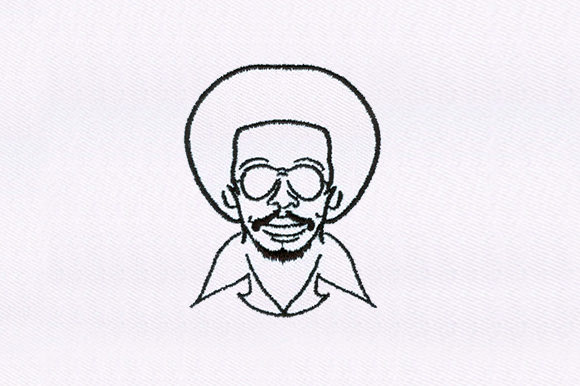
The 70s Afro Man Design carries a bold, joyful energy. It evokes the spirit of the 1970s with a sense of style and confidence that feels celebratory rather than kitschy. The facial features and hair texture are rendered with enough detail to feel authentic, while the overall silhouette remains clean enough for machine embroidery. The mood is playful yet dignified, making it suitable for a wide range of personalized gift products. Whether stitched on a baby blanket or a kitchen towel, this design has a charming, handmade quality that customers notice immediately.
From a technical standpoint, the design appears well digitized for standard home embroidery machines. The thread colors are thoughtfully chosen, and the stitch density looks balanced for good coverage without excessive stiffness. As always, I recommend stitching a test on scrap fabric before committing to a final product, but my initial impression is that 70s Afro Man Design will sew out cleanly on most medium-weight fabrics.
Where This Design Shines in Personalized Gifts
This design is surprisingly versatile. I have been evaluating it for several product categories in my shop, and it consistently performs well in settings that call for personality and warmth. Here are the applications where I see the strongest potential:
- Baby embroidery: A onesie or receiving blanket featuring the 70s Afro Man Design makes a bold, loving statement. It works beautifully for baby shower gifts that celebrate heritage and individuality. The playful expression resonates with parents who want something different from traditional nursery motifs.
- Wedding gifts: For couples with a love of retro style or a desire to honor cultural roots, this design on a pillow cover or tote bag feels personal and thoughtful. It adds a conversational element to a wedding keepsake that guests will remember.
- Family keepsakes: Embroidered towels, aprons, or kitchen linens with this design become heirloom pieces. The retro vibe makes them easy to gift for birthdays, anniversaries, or holiday occasions.
- Nursery decor: A framed hoop or a small embroidered wall hanging featuring the 70s Afro Man Design adds a pop of personality to a modern nursery. It pairs well with bold colors and natural textures.
- Tote bags and aprons: These everyday items become conversation starters when adorned with this design. They sell well at craft fairs and pop-up markets, especially when combined with a thoughtful tag or story card.
- Blanket embroidery: On a fleece or cotton blanket, the design sits nicely as a center motif or a corner accent. The stitch density is appropriate for items that will be used and washed regularly.
For Etsy sellers and small shop owners, the 70s Afro Man Design offers a strong differentiator. It is not a generic floral or monogram. It speaks to a specific audience that values cultural representation, retro style, and handmade quality. Listing this design as part of a custom order preview can attract buyers who are searching for something meaningful and unique.
Where to Use Caution: Fabric, Placement, and Detail
No design is perfect for every surface, and 70s Afro Man Design requires some thoughtful planning. Here are the areas where I recommend extra care:
- Small lettering or delicate details: If you plan to add a name or date alongside the design, make sure the text is large enough to read clearly. Tiny lettering may distort against the density of the hair or facial features. Test the combination on a practice piece first.
- Textured fabric: Terry cloth, fleece, or heavily textured fabrics can swallow fine details. The hair texture in this design may lose definition on very fluffy material. A medium-weight cotton or linen works best for preserving the design's integrity.
- Thick towels: Towel embroidery requires careful stabilizer selection. The 70s Afro Man Design has enough stitch density that a thick towel may cause registration issues. Use a water-soluble stabilizer on top and a cutaway stabilizer underneath for best results.
- Stretchy baby clothes: Onesies and knit fabrics need a stabilizer that prevents puckering. I recommend using a lightweight cutaway stabilizer and a hoop that holds the fabric taut without distorting it. Test on a scrap onesie before stitching a customer order.
- Curved surfaces: Hats, sleeves, or curved tote bag panels require careful hooping. The design's shape may need to be adjusted or repositioned to avoid distortion on a curve. A curved surface hoop or a small hoop size can help.
- Dark fabric: The thread colors in the 70s Afro Man Design may need adjustment for dark backgrounds. Light or bright thread colors will pop, but if the design includes darker tones, ensure sufficient contrast. Always stitch a test on a similar fabric color before production.
- Frequent washing: Baby blankets, towels, and aprons endure repeated washing. Use a high-quality thread and a cutaway stabilizer to ensure the design holds up over time. The stitch density appears durable, but I always recommend testing a wash cycle on a sample.
How This Design Affects Giftability and Perceived Value
When a customer orders a personalized gift, they are buying more than a product. They are buying an emotional connection, a memory, and a sense of care. The 70s Afro Man Design enhances that transaction in several ways. Its distinctive style signals that the seller has curated a thoughtful selection of designs. It tells the buyer that their gift is not mass-produced but carefully handmade with attention to detail.
In product photography, this design photographs well. The bold silhouette and recognizable hair texture create a strong visual focal point. For Etsy listings, a well-lit mockup of the design on a tote bag or blanket can increase buyer engagement and click-through rates. Customers scrolling through search results stop when they see something that feels personal and authentic. This design delivers that.
From a trust perspective, offering a design that represents cultural heritage accurately and respectfully builds credibility with buyers. Small shop owners who include a range of inclusive designs often see higher customer loyalty and repeat purchases. The 70s Afro Man Design fits naturally into a broader collection of Music-themed embroidery, celebrating a genre and era that many customers love. The connection to Music is subtle but meaningful, and it adds another layer of storytelling for your product listings.
Practical Embroidery Notes for Shop Owners
Before you add this design to your product lineup, take the time to run through these practical checks. They will save you time, thread, and customer disappointment:
- Test on scrap fabric: Always stitch the 70s Afro Man Design on a piece of fabric similar to your final product. Check for thread breaks, density issues, and overall appearance.
- Check thread color contrast: The design uses multiple thread colors. Hold your thread spools against the fabric in natural light to ensure the contrast is pleasing. Adjust colors if needed to match your brand or customer preference.
- Confirm hoop size: Make sure the design fits comfortably within your hoop with room for stabilizer and fabric. A hoop that is too small can cause distortion.
- Review stitch density: The design should feel balanced. If the density is too high, the fabric may pucker. If too low, the design may look sparse. Stitch a test and adjust stabilizer as needed.
- Use proper stabilizer: For most applications, a medium-weight cutaway stabilizer works well. For stretchy or delicate fabrics, consider a tearaway or water-soluble top stabilizer to prevent sinking.
- Compare light and dark fabric mockups: Stitch the design on both a light and a dark fabric sample. This helps you offer accurate previews to customers and avoid surprises in color matching.
- Check small details after stitching: Inspect the hair texture, facial features, and any fine lines. If any detail is lost, consider adjusting the design size or thread choice.
- Confirm commercial licensing: Before selling finished products with this design, verify that your digital embroidery file includes commercial use rights. The 70s Afro Man Design comes in multiple formats including 10O, ART, CND, DSB, DST, DSZ, EXP, HUS, JEF, PCS, PEC, PES, TAP, VIP, VP3, and XXX. Check the license terms from your supplier to ensure you are covered for selling items at craft fairs, on Etsy, or through custom orders.
Final Thoughts for Embroidery Makers and Gift Shop Owners
The 70s Afro Man Design is a standout addition to any embroidery library. It brings personality, cultural resonance, and strong gift appeal to a wide range of products. Whether you are stitching baby embroidery for a shower gift, creating a custom tote for a wedding, or building out an Etsy shop with unique handmade products, this design delivers on both emotional impact and practical performance.
As with any machine embroidery design, your success depends on careful preparation and testing. But if you take the time to match the design to the right fabric, stabilizer, and product, you will create finished pieces that customers love and remember. The 70s Afro Man Design is not just a file. It is a tool for building connection, celebrating culture, and growing a thoughtful small business. I am glad to have it in my digital collection, and I believe it will serve many gift makers well.