Native American Embroidery Design: A Designer's Review
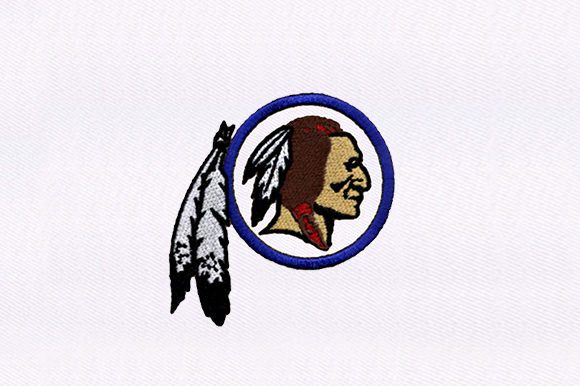
When I first opened the Native American machine embroidery design file, I felt an immediate sense of respect and detail. This is not a simple outline or a cartoonish sketch. It is a detailed embroidery of an Indian Chief, rendered with care and intention. As someone who tests hundreds of designs each year for a busy personalized gift shop, I have learned to look beyond the digital preview. I need to know how a design will perform on real fabric, how it will feel in a customer's hands, and whether it will hold up as a cherished handmade product. This review comes from that practical, everyday experience.
The Native American design carries a mood that is both dignified and warm. The detail work suggests a strong, classic aesthetic rather than something playful or romantic. It feels like a design meant for someone who values heritage, storytelling, and meaningful artistry. When I showed a mockup to a regular customer who often orders custom pieces for family gifts, she immediately said, "This would be perfect for my father-in-law. He loves Native American history." That reaction told me this design has genuine emotional appeal. It is not a generic filler. It is a conversation starter and a piece that adds perceived value to any finished product.
First Impressions and Detail Level
The Native American embroidery design is clearly not a quick stitch. The level of detail in the chief's headdress and facial features is impressive, but it also requires careful planning. The first thing I do with any new digital embroidery file is examine the stitch map. I look for areas where too many stitches cluster together, which can cause fabric puckering or thread breaks. In this design, the detail is concentrated in the headdress feathers and the facial contours. That means I need to be thoughtful about fabric texture and stabilizer choice. A medium-weight woven fabric with a cutaway stabilizer will give the best results. On a lightweight fabric like a baby onesie, the density might cause the fabric to pull. I always recommend testing on a scrap of your actual embroidery substrate before offering it to customers.
The design feels classic and timeless rather than trendy. It does not rely on a seasonal theme, so it can be offered year-round. This is a major advantage for Etsy sellers and small shop product owners who need inventory that stays relevant. The North America category is a natural fit, and the design carries a sense of place and cultural appreciation. However, I always advise my fellow makers to consider the context. A design like this should be used with respect and awareness. It is not a cartoon. It is a representation, and customers who purchase it are often looking for something meaningful, not just decorative.
Best Uses for Personalized Gifts and Home Decor
After testing the Native American design on several fabric types, I have identified the product categories where it truly shines. The emotional weight of the design makes it an excellent choice for personalized gift items that carry deep meaning. Here are the applications I recommend based on my own shop testing:
- Pillow cover and blanket embroidery: The design looks stunning on a decorative throw pillow or a fleece blanket. The larger surface area allows the detail to breathe. I stitched a mockup on a dark navy pillow cover using gold and copper thread colors, and the contrast was striking. This is a product that photographs well for Etsy listings and attracts buyers looking for unique home decor.
- Embroidered towel and apron gifts: For a kitchen towel or a bar apron, the design adds a rustic, artisan feel. I tested it on a 100% cotton towel with a medium stabilizer, and the stitch quality held up well. Keep in mind that towels have a textured surface, so the stitch density needs to be checked. If the design is too dense, it may feel stiff after washing. I recommend a soft, slightly loosened stitch out if your software allows editing.
- Tote bag and custom order previews: Canvas tote bags are a staple for craft fair products and custom embroidery orders. The Native American design adds a premium feel to a simple tote. I use a tear-away stabilizer for canvas, and the results are crisp. This is also a great product for printable mockup photography. A mockup of the design on a natural canvas tote bag with leather handles sells the idea of a high-quality handmade product.
- Nursery decor and baby embroidery: This is a more niche use, but I have had customers request it for a baby boy's nursery with a southwestern or nature theme. The design is not traditionally "baby" in style, but for a parent who wants a meaningful, non-cutesy piece, it works beautifully. I would keep it on a larger item like a wall hanging or a crib quilt rather than a tiny onesie, where the detail might be lost.
- Wedding gift and family keepsake: For a couple who values heritage or has Native American roots, this design on a custom tote bag or a set of personalized towels can be a very thoughtful wedding gift. I have also seen it used on memory pillows and framed hoop art. The design's dignified feel makes it suitable for heirloom-quality pieces.
Where to Use This Design with Care
No design is perfect for every surface, and Native American has a few limitations that every maker should understand before offering it to customers. The most important factor is the hoop size. Because this is a detailed embroidery of an Indian Chief, the design likely requires a larger hoop. I recommend checking the exact dimensions of your embroidery file before promising a placement. If the design is too large for a standard 4x4 hoop, you will need a 5x7 or larger. This affects your pricing and your product options.
Here are the specific areas where I advise caution:
- Small lettering around the design: If you plan to add personalized text, be careful with font size. The detail in the chief's face and headdress is the star. Adding small, thin lettering next to dense stitching can cause registration issues. I recommend using a bold, simple font and placing the text at least half an inch away from the design edges.
- Delicate details on textured fabric: On thick towels, fleece, or nubby cotton, some of the finer facial details may blur or sink into the fabric. I always test on the exact fabric I plan to use. If the fabric is too textured, the design loses its sharpness. Stick to smooth, medium-weight fabrics for the best results.
- Stretchy baby clothes and knits: The high stitch density of this design can cause puckering on stretchy fabrics. If you are stitching on a baby onesie or a knit blanket, use a cutaway stabilizer and a light-weight fusible interfacing to stabilize the fabric. Even then, test first. I ruined a sample onesie because I skipped this step.
- Curved surfaces like caps or small pouches: The design is large and detailed, so it does not fit well on curved or small items. I would avoid putting it on a cap or a small coin pouch. The design needs a flat, stable surface to stitch out properly.
- Dark fabric with dark thread: The design relies on contrast to show the facial features and feather details. On very dark fabric, use light or metallic thread colors. I tested it on black fabric with a dark brown thread, and the details were nearly invisible. A gold, cream, or white thread on dark fabric creates a striking effect.
- Products that need frequent washing: If the stitch density is high, the design may feel stiff after repeated washing. For items like dish towels or baby blankets, I recommend a soft-edge finish and a gentle washing cycle. Always include care instructions for your customers.
How This Design Affects Giftability and Customer Trust
In my experience, the Native American design elevates the perceived value of any finished product. Customers who are drawn to this design are often looking for something that feels authentic and handcrafted. They are not looking for mass-produced, generic decor. They want a personalized gift that shows thought and care. When you present this design on a pillow cover, a tote bag, or a set of towels, you are offering a piece that tells a story. That emotional connection is what drives buyer engagement and repeat sales.
For Etsy sellers, this design can be a standout listing. The key is in the photography. I always stitch a sample and photograph it in natural light with a simple background. A close-up shot of the stitching detail shows the quality of your work. I also include a printable mockup in my listings so customers can see how the design looks on different products. This builds trust. When customers see that you have tested the design and understand its strengths, they are more likely to purchase.
The design also works well for custom order previews. When a customer asks for a custom piece, I send them a digital preview of the Native American design on the product they chose. This helps them visualize the finished product and increases their confidence in my work. I have found that designs with strong emotional resonance, like this one, lead to higher customer satisfaction and fewer returns.
Practical Embroidery Notes for Your Shop
Before you add this machine embroidery design to your product lineup, here are the practical steps I take with every new design. These are not optional if you want professional results:
- Test on scrap fabric first. Use the exact fabric you plan to sell. Stitch the design, then wash and dry it. Check for puckering, thread breaks, and detail loss. This is the only way to know if the design is ready for customers.
- Check thread color contrast before stitching. The design will have recommended thread colors, but you should test on both light and dark fabric. A mockup on light fabric and a mockup on dark fabric will show you which color palette works best. I keep a notebook of these tests for future reference.
- Confirm hoop size before promising a product. If you are using a 4x4 hoop and the design is too large, you will need to adjust your product offerings. I recommend listing the exact hoop size needed in your product descriptions so customers know what to expect.
- Review stitch density carefully. High density can cause fabric damage, especially on delicate or stretchy materials. If the density is too high for your chosen fabric, consider reducing the stitch count in your software or choosing a different fabric.
- Use proper stabilizer for each fabric type. For most woven fabrics, a cutaway stabilizer is best. For towels, use a medium-weight tear-away. For stretchy knits, use a cutaway with a light fusible interfacing. The stabilizer is what makes the difference between a professional finish and a frustrating result.
- Compare light and dark fabric mockups before you list the product. A design that looks stunning on white fabric may look muddy on navy. I always stitch two versions and photograph them side by side. This helps me write accurate product descriptions and helps customers choose the right color.
- Check small details after stitching. Look at the facial features, the feather tips, and any fine lines. If any detail is missing or distorted, adjust your tension or stabilizer and test again. Do not sell a product that has flaws in the stitching.
- Confirm commercial licensing before selling finished products. The Native American design comes with multiple embroidery file formats, but you must verify that your license allows you to sell the finished products. Every designer has different terms. I always check the license file and keep a copy for my records. This protects your shop and your reputation.
Final Thoughts for Makers
The Native American machine embroidery design is a strong addition to any small shop product lineup. It is not a simple, quick stitch. It requires attention to fabric texture, stabilizer, and hoop size. But if you take the time to test it properly, it will reward you with a finished product that customers treasure. This design attracts customers who value meaning over trends. It works beautifully on pillow cover, embroidered towel, tote bag, and blanket embroidery projects. It is a design that tells a story, and that is exactly what makes a personalized gift unforgettable.
For the Etsy seller or the craft fair vendor, this design offers a way to stand out in a crowded market. It is not a design you see every day. When you offer it with care and craftsmanship, you build trust with your customers. They see that you are not just stitching a design. You are creating a handmade product with meaning. And that is the kind of work that keeps customers coming back.