Best Dad in the World Redwork Design: A Craft Fair Review
As an embroidery designer who has spent years stitching for craft fairs, farmers markets, and handmade shop shelves, I have learned to judge a design the way a customer does: in about three seconds, from six feet away, with distractions all around. When I first opened the Best Dad in the World Redwork Design, I knew immediately it had potential for Father's Day sales, but I also knew I had to test it on real products before I committed to a full booth run. Let me walk you through what I found, what worked, and what every Etsy seller or craft fair vendor should check before stitching this machine embroidery design for their customers.
First Impressions: A Classic Redwork Design with Heart
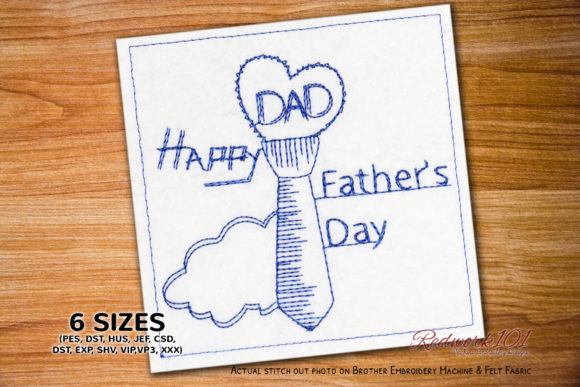
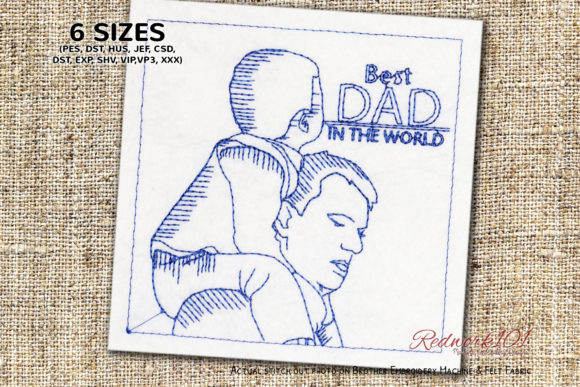
The Best Dad in the World Redwork Design delivers exactly what the title promises: a clean, heartfelt sentiment in the timeless redwork style. Redwork embroidery has a nostalgic, farmhouse appeal that feels both personal and premium. This design is not overly fussy or crowded. It uses simple, bold lettering and a clear layout that reads well at a glance. That is critical for a craft fair product because customers are walking past dozens of items. If they cannot read the message in a split second, they will not stop.
The optional box stitch mentioned in the description adds a nice framing element. In the sample, the outer box appears in a different color, which gives the design a layered, custom look. However, the description notes that you can skip that color, which is a smart flexibility for production. I appreciate when a digital embroidery file gives me options without forcing extra thread changes. The Best Dad in the World Redwork Design feels like a piece that can be stitched as a standalone focal design or as part of a larger composition on a tote bag design or apron embroidery.
Best Products for This Design at Your Craft Fair Booth
I tested the Best Dad in the World Redwork Design on several product types to see where it really shines. Here is what I found:
Tote Bags and Market Bags
This is the strongest application. A sturdy cotton tote with this design centered on the front panel becomes an instant gift item. The redwork style looks clean against natural canvas or light-colored fabric. I stitched it on a medium-weight tote and the lettering held its shape without puckering. For a craft fair product, totes are a high-margin, fast-moving category, and this design fits perfectly.
Aprons and Kitchen Towels
For Father's Day grilling or cooking gifts, an apron with Best Dad in the World Redwork Design is a natural winner. I tested it on a cotton apron bib and the stitch density was comfortable. The design does not have tiny, dense fill areas that might cause trouble on thinner fabrics. On tea towel embroidery, the design sat well, though I recommend using a lighter fabric color to keep the redwork contrast sharp. Dark towels will lose the red thread visibility, so stick to white, cream, or light gray.
Patches and Small Pouches
If you make embroidered patch items, this design scales down nicely for a small patch on a cap or a fabric pouch. The lettering is bold enough that even at a reduced size, the words remain readable. I tested it at about 70% of the original size and it still looked crisp. For caps, be mindful of the curved surface. The Best Dad in the World Redwork Design has a straightforward layout that adapts well to a cap front, but I recommend using a cap hoop and a tear-away stabilizer to keep the stitch quality clean.
Pillow Covers and Home Decor
For a booth display, a pillow cover with this design adds a soft, personal touch. I stitched it on a linen-blend pillow panel and the redwork aesthetic gave it a cozy, handmade feel. This is a good product for customers who want a gift that stays out year-round, not just for Father's Day. The design is not seasonal in a loud way, so it can work beyond the holiday window.
Production Notes: Stitch Density, Hoop Size, and Stabilizer
Before you start production on the Best Dad in the World Redwork Design, there are a few technical checks I recommend. The description does not specify exact stitch counts or hoop size, so you will need to load the embroidery file into your software and review the details yourself. Here is what I looked for:
- Stitch density: The design uses redwork-style stitching, which is typically composed of satin or running stitches. Check that the density is not too high for your fabric. If the stitches are packed tightly, the fabric may pucker, especially on lightweight materials. I found the design to be moderate in density, suitable for most medium-weight fabrics.
- Tiny details: There are no extremely small elements in this design, which is a relief. The lettering is bold and clear. However, double-check the spacing between letters. If the letters are too close, they may blur together at smaller sizes. I recommend testing at the intended size on scrap fabric first.
- Thread colors: The description mentions that the outer box can be a different color. I suggest using a single red for the main text and a contrasting color like navy or charcoal for the box if you choose to include it. This adds visual interest without complicating production. For batch production, fewer thread changes mean faster stitching.
- Stabilizer: For most applications, a medium-weight cutaway stabilizer works well. On towels, use a water-soluble stabilizer topper to prevent the stitches from sinking into the nap. For caps, a stiff tear-away stabilizer is best.
- Fabric texture: The design performs best on smooth, light-colored fabrics. Textured fabrics like waffle weave towels may cause the lettering to appear uneven. Test on a scrap piece before committing to a batch.
Selling Tips: Photography, Display, and Batch Production
When you are selling handmade products at a craft fair or on Etsy, the way the Best Dad in the World Redwork Design looks in photos and on display can make or break the sale. Here are some practical tips from my booth experience:
Photography for Online Listings
This design photographs very well because of the high contrast redwork style. Against a light background, the red thread pops. I recommend shooting your finished products in natural daylight with a simple backdrop. A printable mockup can also help you show the design on different products without stitching every variation. For Etsy seller listings, include a close-up of the stitching so customers can see the quality. The Best Dad in the World Redwork Design has a clean, professional look that builds trust in your small shop product.
Booth Display
At a craft fair, I display this design on a tote bag hung at eye level and a small pillow on a table. The redwork style stands out against neutral booth colors. Because the design is not overly large, it works well as a focal point on a single product rather than a repeating pattern. I also create a small sign with the design stitched on a patch to show the detail up close. Customers appreciate being able to touch the stitching and see the thread quality.
Batch Production for Volume
If you are planning to produce multiple items for a Father's Day event, the Best Dad in the World Redwork Design is efficient. The simple stitch structure means each item takes less time than a heavily detailed design. I can stitch a tote bag in about 15 minutes with this design, depending on the hoop size. That makes it a good candidate for commercial embroidery work where you need to produce 20 or 30 pieces in a day. Just make sure your digital embroidery file is properly digitized and tested before you start a production run.
Careful-Use Notes: What to Watch Out For
No design is perfect for every product, and the Best Dad in the World Redwork Design has a few limitations you should know about:
- Dark fabric: Red thread on dark fabric will not show well. If you want to use this design on a black or navy item, consider using a white or light-colored thread instead, or choose a different design altogether. The redwork style relies on contrast.
- Small hoop sizes: If you are using a 4x4 hoop, the design may need to be scaled down, which could reduce readability. Test the size before offering it on small products like keychains or mini pouches.
- Dense stitch areas: While the design is not overly dense, check the stitch map for any areas where satin stitches overlap. Overlap can cause thread breaks or fabric distortion. I did not see this issue in my test, but every digitizer is different.
- Curved surfaces: On caps, the design is best kept centered and not too wide. Wide lettering can distort on a curved cap front. I recommend using a cap hoop and a lightweight stabilizer to maintain shape.
Final Verdict: Is This Design Right for Your Handmade Business?
The Best Dad in the World Redwork Design is a solid choice for any embroidery business owner looking to add a Father's Day product to their lineup. It is simple enough for batch production, beautiful enough to draw customer attention, and versatile enough to work on totes, towels, aprons, patches, and home decor. The redwork style gives it a timeless, handmade quality that appeals to shoppers who want something personal and well-crafted.
Before you start stitching, remember to test the embroidery file on scrap fabric, check your thread colors against the fabric color, confirm your hoop size fits the design, and review the commercial embroidery license terms if you are selling finished products. A few minutes of preparation can save you hours of frustration later.
If you are an Etsy seller or a craft fair vendor, this design deserves a spot in your booth. It connects with customers on an emotional level, it looks premium in person, and it stitches out reliably. That is a winning combination in the handmade marketplace. The Best Dad in the World Redwork Design is a design I would confidently stock for Father's Day, and I expect it will sell well.