Dad Tie Bluework: A Craft Fair Embroidery Review
When you are preparing a booth for a weekend craft fair, every design you stitch into your products carries weight. You need patterns that catch the eye, stitch cleanly, and feel like something a customer would actually carry home. I recently reviewed the Dad Tie Bluework machine embroidery design from the perspective of a seasoned embroidery designer who has prepped countless tote bags, aprons, and tea towels for market tables. Here is my honest assessment of where this design fits, what it does well, and what you should watch out for before you load it into your hoop.
First Impressions of Dad Tie Bluework
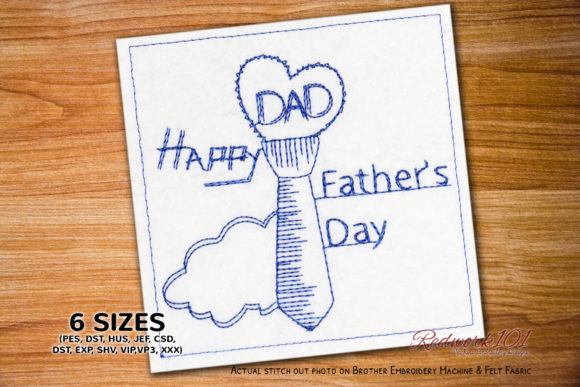
My first reaction to Dad Tie Bluework was that it lands in the modern, minimal, and slightly playful category. The tie motif is a classic symbol for Father's Day, but the bluework styling gives it a clean, almost farmhouse-adjacent feel that does not scream a specific holiday. This is a strong advantage. The design feels fresh enough to appeal to a dad looking for a subtle nod to his role, and simple enough to work on a wide range of handmade products. It does not rely on dense fills or tiny, fussy details, which immediately tells me it is production-friendly for sellers who need to batch out multiple units for a show.
The optional box stitch mentioned in the description adds a nice framing element, but I appreciate that it is not mandatory. Many embroidery designers will find that skipping the outer box keeps the design feeling more open and versatile, especially when you are placing it on a smaller item like a cap or a patch. The fact that the outer box color is different from the main design in most cases is worth noting. If you are working with limited thread changes or trying to keep your setup simple, you can indeed skip that color directly in your machine or software without losing the core look of the tie.
How Dad Tie Bluework Performs on Tote Bags, Aprons, and Tea Towels
For craft fair product planning, I always test a design mentally against the most common booth items. Dad Tie Bluework performs well on flat or slightly textured surfaces. On a tote bag design, the tie motif sits nicely as a centered chest accent or a slightly offset pocket detail. It reads clearly from a few feet away, which is critical when customers are scanning your table from a distance. The bluework style gives it a hand-drawn quality that feels personal without being sloppy.
On an apron embroidery piece, the tie works beautifully near the chest pocket or centered on the bib. It is not too large, so it does not get lost in the folds of the fabric, and it is not so small that it looks like an afterthought. For tea towel embroidery, the design is a natural fit. Towels are a staple for craft fair sellers, and a simple, recognizable motif like this one sells quickly. The stitch density is moderate enough that the towel fabric will not pucker excessively, provided you use the right stabilizer.
I also see potential for embroidered patch production. The tie shape is compact enough to fit inside a standard 4x4 or 5x7 hoop, and the bluework aesthetic translates well to a patch format. You could stitch a batch of patches, back them with iron-on adhesive, and sell them as quick add-on items at your booth. That is a practical way to test the design before committing to larger products.
Selling and Production Value for Craft Fair Sellers
When I evaluate a machine embroidery design for resale, I think about how easy it is to understand at a glance. Dad Tie Bluework passes that test without hesitation. A customer walking past your booth sees the tie shape and immediately connects it to Father's Day, a dad, or a gift for a male family member. That instant recognition is a sales driver. It also works well as both a small accent and a larger focal design. If you scale it up for a pillow cover or a market bag, the simple lines hold their integrity. If you scale it down for a cap or a small pouch, the details remain readable.
Photography is another factor. For Etsy seller listings, you need designs that photograph well. The bluework style has a clear, slightly high-contrast look that pops against light or medium fabrics. It will look crisp in your listing photos, and it will not get muddy in thumbnail views. That is a big plus for digital embroidery file sellers as well. If you are offering the design as a digital product, your printable mockup will look clean and professional.
Batch production is a realistic goal with this design. The stitch count seems manageable, and the thread palette is limited. You can stitch multiple units in a sitting without constant thread changes. That is the kind of efficiency that makes a small shop product line profitable. I would recommend stitching a few samples in different colors to see how the tie reads on navy, charcoal, cream, and light blue fabric. The contrast will vary, and you want to offer options that appeal to different customer tastes.
Practical Embroidery Designer Notes for Production
Before you commit to a full run of handmade product items, take these notes seriously. First, always test the design on scrap fabric. The bluework style relies on open lines and clear spacing, so you need to verify that your machine handles the pathing correctly. Check thread contrast carefully. If you are stitching a dark blue tie on a dark blue apron, the design will disappear. Stick to light or medium ground fabrics, or use a bright thread color that contrasts well.
Review the spacing in the design file. The tie shape includes some narrow areas, especially around the knot and the collar points. If you are hooping a textured towel or a thick fabric like a canvas tote, those tight spots can lose clarity. Use a stabilizer that matches the fabric weight. For towels, a tear-away or wash-away stabilizer works well. For caps, use a cut-away stabilizer to prevent distortion on the curved surface. The description mentions that the box stitch is optional, and I strongly recommend testing the design both with and without it. The box can add a finished look, but it also increases stitch count and may cause tension issues on stretchy or thick fabrics.
If you are planning to stitch this design on a curved cap surface, be cautious. The tie shape has a vertical orientation, and caps have a curved front panel. You may need to adjust the placement or size to keep the design from looking skewed. Small lettering is not a major concern here, but the tie details themselves are fine enough that you should not shrink the design below a safe minimum size. I would not go smaller than about 3 inches in height for a cap, and even that might be pushing it on a heavily structured cap front.
Dark fabric is another consideration. The bluework style is typically stitched in a single color, so on dark fabric, the tie will not show up well unless you use a bright or metallic thread. If you are targeting a Father's Day market, many customers will want the design on a dark polo shirt or a navy cap. In that case, you might need to add a small white or light blue underlay to make the tie visible. Alternatively, you can stitch the design on a light-colored patch and sew that onto the dark garment.
Visual Appeal, Customer Attention, and Booth Display Strength
When I set up my booth, I arrange products by visual weight. Dad Tie Bluework has a friendly, approachable look that draws in customers who are shopping for a specific person. It does not feel overly commercial or generic. The bluework style adds a handmade quality that buyers associate with artisan craftsmanship. That is a huge selling point at a craft fair, where customers are willing to pay more for something that feels unique.
I would display this design on a few key products: a tote bag with the tie centered on the front panel, a tea towel with the tie near the hem, and a small zippered pouch with the tie as a focal accent. These three items cover different price points and use cases. The tote bag becomes a giftable item, the towel is a practical impulse buy, and the pouch is a quick add-on at the register. The design works well on all three, which is a sign of its versatility.
Customer engagement is often driven by how quickly they can "read" a design. With the tie motif, customers immediately start thinking about their dad, their husband, or a friend who loves ties. That emotional connection is what turns a looker into a buyer. The design also encourages conversation about the bluework style itself, which gives you a chance to talk about your process and build rapport. That is the kind of interaction that leads to repeat customers and word-of-mouth referrals.
Final Thoughts on Dad Tie Bluework for Your Booth
I would recommend Dad Tie Bluework to any embroidery business owner or creative entrepreneur who is looking for a reliable, customer-friendly design for Father's Day or general gift markets. It is not a loud, flashy pattern, but it does not need to be. It is a solid, practical design that performs well on a range of products, photographs nicely for online listings, and stitches cleanly in production. The optional box stitch gives you flexibility, and the bluework aesthetic keeps it feeling current.
Before you take it to your next show, do your due diligence. Test the design on scrap fabric, check the stitch density against your fabric choices, review the hoop size requirements, and confirm that your commercial license allows you to sell finished products. The design description does not specify exact stitch counts or file formats, so you should verify those details with the seller before you buy. Also, create at least one real mockup of the finished product. A photo of an actual stitched item will always sell better than a digital render.
If you are a digital embroidery file creator yourself, consider offering a similar style of bluework design for your own shop. The demand for clean, simple, family-oriented patterns is steady, especially around Father's Day. Dad Tie Bluework is a good example of how a minimal concept can translate into a versatile product line. Whether you are stitching it for your own booth or selling the file to other makers, this design has the potential to be a reliable performer in your design assets collection.
In the end, the best craft fair products are the ones that sell themselves. Dad Tie Bluework is not a design that needs a lot of explaining. Customers see it, they understand it, and they imagine it on a gift for someone they care about. That is the kind of immediate appeal that makes a product worth your time and thread. Add it to your production list, stitch a few samples, and see how it performs at your next market. I think you will be pleased with the results.