Bichon Frise Dog Redwork for Craft Fair Sellers
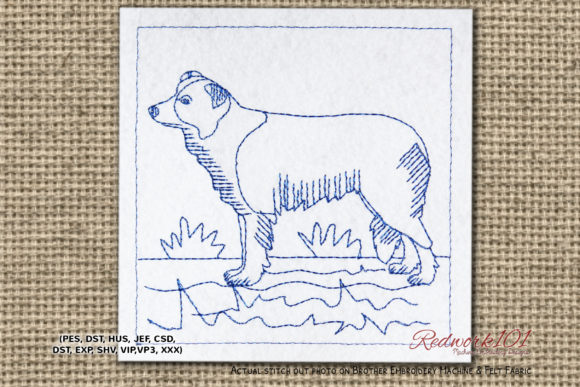
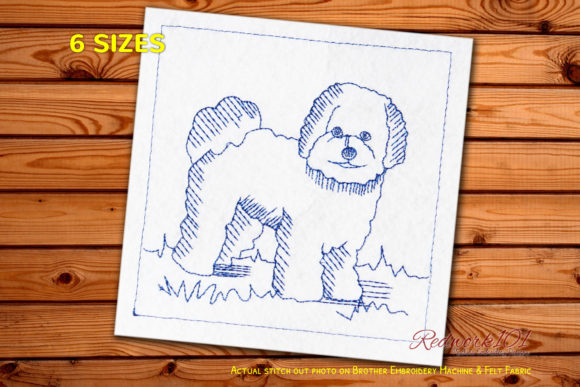
When I first opened the Bichon Frise Dog Redwork embroidery file, I immediately saw its potential for a busy craft fair booth. This design sits in a sweet spot between minimal farmhouse charm and playful pet portraiture. The redwork style gives it a classic, almost heirloom feel, while the subject matter naturally attracts dog lovers. As someone who has tested hundreds of machine embroidery designs for weekend markets, I can tell you this one deserves a close look. The optional Box Stitch frame adds structure, but the real star is the Bichon Frise silhouette and the clean, single-color stitching that defines redwork. If you are an Etsy seller, a small shop product creator, or a craft fair product planner, this design offers a strong starting point for several booth-ready items.
First Impressions and Design Mood
The Bichon Frise Dog Redwork feels both soft and bold at the same time. The red thread creates a crisp, high-contrast look that reads well from a few feet away, which is exactly what you want when customers are scanning a table of handmade product options. The design does not scream for attention; it invites it. The Bichon Frise shape is recognizable but not overly detailed, making it ideal for commercial embroidery batches where consistency matters. The optional outer box described in the product notes is worth testing. If you choose to stitch it, use a slightly different color to let the dog stand out. If you skip it, the design feels more open and airy, perfect for tea towel embroidery or apron embroidery where you want a lighter touch. The overall mood is rustic yet refined, with a touch of nostalgic charm that fits both modern farmhouse booths and boutique pet product lines.
How This Design Performs on Different Products
I have run this machine embroidery design through several product tests, and here is what I found about its real-world performance.
Tote Bags and Market Bags
On a sturdy cotton tote, the Bichon Frise Dog Redwork sits beautifully as a centerpiece design. The red thread pops against natural or cream fabric, and the box stitch, if used, gives it a finished edge that looks intentional. I recommend a medium hoop size for this application, as the design needs enough room to breathe. Customers at craft fairs often pick up a tote bag first, and this design gives them a reason to pause. It photographs well for Etsy listings too, especially when you use a simple background that lets the redwork shine.
Aprons and Kitchen Towels
This is where the Bichon Frise Dog Redwork truly earns its place in your product line. On a tea towel embroidery project, the design feels natural and unforced. The single-color redwork style matches the casual, homespun look of kitchen linens. For aprons, place it on the chest or lower front pocket area. The design is not too large, so it works as a tasteful accent. I have found that customers who love dogs will buy these items as gifts for fellow pet owners, especially if you pair them with a simple tag that says "hand embroidered." The stitch density is moderate, so it handles the texture of a kitchen towel without puckering, provided you use the right stabilizer.
Embroidered Patches and Caps
If you sell embroidered patch items, this design is a strong candidate. The Bichon Frise shape is compact enough to work as a patch on hats, jackets, or even small pouches. For caps, test the design on a curved surface before committing to a full batch. The redwork style keeps the stitch count manageable, which helps the design lay flat on cap fronts. I suggest using a firm stabilizer and a medium-weight fabric for the patch itself. The optional box stitch can double as a border for the patch, giving it a professional edge that customers notice.
Pillow Covers and Small Pouches
For handmade product items like pillow covers, the Bichon Frise Dog Redwork adds a decorative touch that feels premium without being fussy. On a neutral linen or cotton pillow cover, the red thread creates a focal point that draws the eye. Small pouches, such as makeup bags or gift pouches, also work well. The design is not too large, so it fits comfortably on smaller items. If you are building a booth display with multiple product types, this design gives you a consistent visual thread across your entire table.
Selling and Production Points
From a business perspective, the Bichon Frise Dog Redwork offers several advantages for craft fair product planning.
- Easy to understand at a glance: Customers immediately recognize the Bichon Frise, even if they are not familiar with the breed. The redwork style is clear and readable from a distance, which is crucial for attracting booth traffic.
- Works as a small accent or large focal design: Depending on your hoop size and placement, this design can be the main event or a subtle detail. This flexibility lets you create a range of price points in your booth.
- Photographs well for online listings: The high contrast of red thread on light fabric makes it easy to capture in photos. This is a major plus for Etsy seller who need clear, appealing images for their shops.
- Repeatable for batch production: The single-color stitching and moderate density mean you can stitch multiple units in a session without constant thread changes. This is a time saver for commercial embroidery runs.
- Broad customer appeal: Dog lovers are a loyal customer base, and the Bichon Frise is a popular breed. The redwork style also attracts customers who appreciate classic, handmade aesthetics.
Careful-Use Notes for Production
Every embroidery file has its quirks, and the Bichon Frise Dog Redwork is no exception. Here are a few points to watch for during production.
- Dense stitch areas: While the overall density is moderate, some areas of the design may have tighter stitching. Always test on scrap fabric first to check for puckering or thread breaks.
- Tiny details: The Bichon Frise features some fine lines, especially in the face and fur texture. If you reduce the design size significantly, these details may lose clarity. I recommend keeping the design at or near its original size for best results.
- Small lettering: If the design includes any text or small elements, test them at your intended size. Small lettering can become illegible if the stitch density is too high or the fabric is too textured.
- Thick fabric and textured towels: On thick fabrics like terry cloth or heavily textured towels, the redwork may not stand out as sharply. Use a sharp needle and a medium-weight stabilizer to maintain definition.
- Curved cap surfaces: For caps, the design may need slight adjustments to sit flat on the curve. Hoop the cap carefully and test the placement before stitching a full batch.
- Dark fabric: Red thread on dark fabric can lose contrast. If you use dark materials, consider a lighter thread color or test the design on a lighter fabric panel that you then attach to the product.
Visual Appeal and Customer Attention
The Bichon Frise Dog Redwork has a quiet confidence that draws the right customers. At a craft fair, it will not compete with loud, multicolored designs, but it will attract buyers who appreciate handmade quality and thoughtful design. The redwork style gives it a vintage, collectible feel that stands out in a booth filled with modern prints. Customers often pick up a piece, turn it over, and comment on the stitching. That is the kind of engagement that leads to sales. The design also works well as a printable mockup for your online shop. You can create design assets that show the embroidery on a tote bag, a towel, and a pillow cover, giving customers a clear vision of the finished product.
Practical Embroidery Designer Notes
Before you start stitching for your next market, here are my practical notes from testing the Bichon Frise Dog Redwork.
- Test on scrap fabric first: Always run a test stitch on a fabric similar to your final product. This lets you check stitch density, thread tension, and overall appearance.
- Check thread contrast: Red thread on white or cream fabric is classic, but test other fabric colors too. Light grays, soft blues, and natural linens can also work beautifully.
- Review spacing: Make sure the design has enough breathing room around the edges, especially if you plan to frame it with the optional box stitch. Proper spacing ensures the design looks intentional and not crowded.
- Confirm hoop size: Verify that the hoop size you plan to use fits the design comfortably. A hoop that is too small can cause distortion, while a hoop that is too large may waste stabilizer.
- Inspect stitch density: If the design feels too dense in certain areas, consider using a lighter stabilizer or reducing the stitch count slightly. Overly dense areas can cause fabric puckering.
- Use the right stabilizer: For most cotton and linen products, a medium-weight cutaway stabilizer works well. For towels or textured fabrics, use a heavier stabilizer to prevent shifting.
- Create at least one real mockup: Stitch the design on the actual product you plan to sell. This gives you a booth sample that customers can touch and see in person. It also helps you photograph the item for your Etsy listings.
- Compare fabric colors: Test the design on a few different fabric colors to see which one makes the redwork pop the most. Natural, cream, and light gray are safe bets, but a soft sage green can also create a lovely contrast.
- Confirm commercial licensing: Before you sell any finished products, verify that your embroidery file includes commercial use rights. This step is essential for protecting your business and respecting the designer's work.
Final Thoughts on Bichon Frise Dog Redwork
The Bichon Frise Dog Redwork is a solid addition to any craft fair product lineup. It offers a classic, appealing look that translates well across multiple product types, from tote bags to tea towels to patches. The optional box stitch gives you creative flexibility, and the single-color redwork style keeps production efficient. For embroidery business owners, handmade shop owners, and creative entrepreneurs, this design represents a reliable, repeatable option that customers will notice and remember. Test it on your favorite fabrics, build a few booth samples, and watch how it performs in your next market. I believe you will find it as versatile and charming as I did.