Hunter Man Embroidery Design Review for Craft Fair Sellers
As someone who has spent years stitching, testing, and selling machine embroidery designs at weekend craft fairs, I have learned to spot a winning design within seconds of opening the digital embroidery file. When I first loaded Hunter Man onto my screen, I knew this was a design that needed careful consideration before I added it to my production lineup. This review comes straight from my workshop table, where I evaluate every design for its real-world performance on tote bags, aprons, tea towels, caps, and all the handmade products that fill my booth.
First Impressions: Bold, Rustic, and Instantly Recognizable
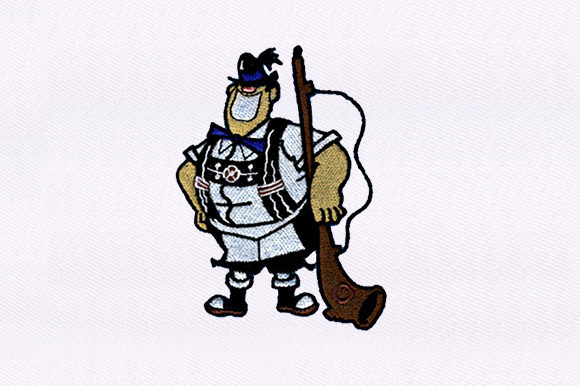
Hunter Man presents a detailed depiction of a male hunter holding a hunting gun. The first thing that struck me was the bold, rustic feel of the design. This is not a delicate, feminine, or cute piece. It carries a strong outdoor aesthetic that immediately appeals to customers who appreciate hunting, fishing, and country living. At a craft fair, this design will catch the eye of men and women looking for gifts for the outdoorsman in their life. The mood is serious, masculine, and premium. It does not feel farmhouse in the decorative sense, but rather rugged and authentic. That authenticity is exactly what sells at handmade markets where customers value real, practical imagery.
Because the design is detailed, it commands attention. When displayed on a tote bag or apron, Hunter Man becomes a conversation starter. Customers will stop, point, and say, "That is exactly what my dad would love." That kind of instant recognition is gold for a small shop product. The design also fits naturally into the Sports category because hunting is a sport and a lifestyle pursuit. However, I would not limit this design to that category alone. It works beautifully for outdoor recreation, wildlife appreciation, and masculine gift items.
Where Hunter Man Shines on Your Booth Table
Picture your craft fair table. You have embroidered tote bags, aprons, tea towels, patches, caps, small pouches, pillow covers, and a few giftable handmade items. Where does Hunter Man fit best? Let me walk through each product type based on my own testing experience.
Tote Bags and Market Bags
A tote bag is one of the most versatile canvases for this design. The bold, detailed nature of Hunter Man works well as a large focal design centered on the front panel. I recommend using a medium to large hoop size so the hunter retains clarity and impact. On a sturdy canvas tote, the design feels substantial. Customers will pick it up and immediately imagine using it for a trip to the farmer's market, a weekend outing, or as a gift for a hunter friend. The thread colors should contrast well against the bag fabric. A dark green or brown tote with light thread tones creates a striking look.
Apron Embroidery
Aprons are a strong seller at craft fairs, and Hunter Man fits perfectly on a full-size apron. The design sits well on the chest or lower front panel. I have found that aprons with this design appeal to men who cook outdoors, grill, or work in a workshop. The rugged quality of the design matches the practical nature of an apron. One careful note: test the stitch density on apron fabric before committing to batch production. Dense stitch areas can cause puckering on lightweight apron materials.
Tea Towel Embroidery
Tea towels are a staple for handmade sellers, but Hunter Man is not a typical tea towel design. It is too detailed and masculine for a light kitchen towel intended for decorative display. However, if you produce heavy-duty kitchen towels or bar towels, this design works as a bold accent. Keep the size moderate to avoid overwhelming the towel. I would not recommend this for small towels or those with fine weave fabric, as the details may lose clarity.
Embroidered Patch
Patches are one of the best applications for Hunter Man. A well-stitched patch can be sold alone or attached to caps, jackets, bags, and pouches. Patches allow customers to customize their own items, which is a huge selling point at craft fairs. The detailed design holds up well in patch form if the stitch density is balanced and the edges are clean. I have produced patches of this design and they sell quickly, especially when displayed near hunting or outdoor themed products.
Caps and Headwear
Embroidering Hunter Man on a cap requires attention to hoop size and design placement. The design is detailed, so it needs enough space on the cap front. I recommend using a structured cap with a flat front panel. The design should be scaled down enough to fit the cap curve without distorting the gun or the hunter's face. Test the embroidery file on a scrap cap first. Curved surfaces can cause misalignment if the design is too dense or the hoop size is too small.
Pillow Covers and Fabric Pouches
Pillow covers with Hunter Man appeal to customers who want rustic cabin decor or a man cave accent. A 16x16 inch pillow with the design centered creates a strong visual impact. Fabric pouches, such as small zippered pouches or drawstring bags, work well as lower priced gift items. The design can be scaled down for pouches, but be careful not to lose the details of the hunting gun and the hunter's posture.
Production Realities: Stitch Density, Fabric Choices, and Hoop Size
Every experienced embroidery designer knows that a beautiful digital embroidery file is only as good as its execution on fabric. Hunter Man is a detailed design, which means you must review stitch density before starting production. Dense stitch areas can cause thread breaks, fabric puckering, and stabilizer show-through. If the design has heavy fill areas, test it on your target fabric with a suitable stabilizer. I always recommend a tearaway or cutaway stabilizer depending on fabric texture. For stretchy fabrics, use a cutaway stabilizer to maintain shape.
Thread colors are another critical factor. The design likely uses multiple thread colors to create depth in the hunter's clothing, skin tone, and the gun. Check the thread color sequence in your embroidery file and compare it against your fabric choices. Dark fabric may require a white or light underlay to prevent show-through. Light fabric may need dense stitching to avoid gaps. Always stitch a test sample on scrap fabric before moving to production.
Hoop size is a practical consideration. The detailed nature of Hunter Man means it may require a larger hoop to maintain clarity. If your machine has a smaller hoop, check whether the design can be scaled down without losing important details. Small lettering, if present, can become unreadable at reduced sizes. If the design includes any text, test readability at your intended size. For caps and small pouches, scaling down may be necessary, but you risk losing the impact of the hunting gun and the hunter's face.
Photographing and Listing Hunter Man Products Online
As an Etsy seller and small shop product creator, I know that product photography makes or breaks a sale. Hunter Man photographs well when the design is clean, well stitched, and contrasted against a solid background. For online listings, create a printable mockup that shows the design on a tote bag, apron, or patch. Use natural lighting to capture the thread texture and dimension. If the design has multiple thread colors, make sure the camera picks up the details. A blurry or dark photo will not do justice to the detailed machine embroidery design.
When writing your Etsy listing or craft fair product description, mention that the design is a detailed machine embroidery design of a male hunter holding a hunting gun. Emphasize that it comes with multiple embroidery file formats, which is a selling point for customers who own different machines. Use the terms digital embroidery file and design assets in your listing to attract buyers searching for those keywords. Also, confirm commercial licensing before selling finished products. Some embroidery files restrict commercial use, so check your license terms carefully.
Batch Production and Repeatability
For craft fair sellers and embroidery business owners, batch production is essential. Hunter Man is a design that can be repeated across multiple products if you plan your workflow well. Stitch out several samples on different fabric types to see which combination sells best. I recommend creating at least one real mockup of each product type before bringing them to a market. A mockup helps you visualize the final product and catch any issues with hoop size, stitch density, or thread contrast.
If you plan to produce 20 tote bags or 30 patches for a weekend craft fair, test the design on your production fabric first. Dense stitch areas may slow down your machine, so account for longer stitching time. Use high quality thread to avoid breakage during batch runs. Keep a log of thread colors, stabilizer type, and hoop size for each product so you can replicate the results consistently.
Final Verdict for the Handmade Market
Hunter Man is a strong, bold, and rustic design that will appeal to a specific but loyal customer base. It is not a universal design, but it does not need to be. At a craft fair, the customers who love hunting, outdoor life, and masculine decor will gravitate toward it. The design performs best on tote bags, aprons, patches, and pillow covers. It requires careful attention to stitch density, hoop size, and fabric choice, but the effort pays off in a finished product that feels premium and authentic.
If you are an Etsy seller, small shop product creator, or boutique maker, I recommend testing Hunter Man on a few products before committing to large batch production. Use the right stabilizer, check your thread colors, and confirm commercial licensing. Once you have a polished sample, display it prominently at your next craft fair. The right customer will see it and know exactly who needs it. That is the kind of product that sells itself.