Cat Hot Air Balloon Embroidery: A Designer's Review
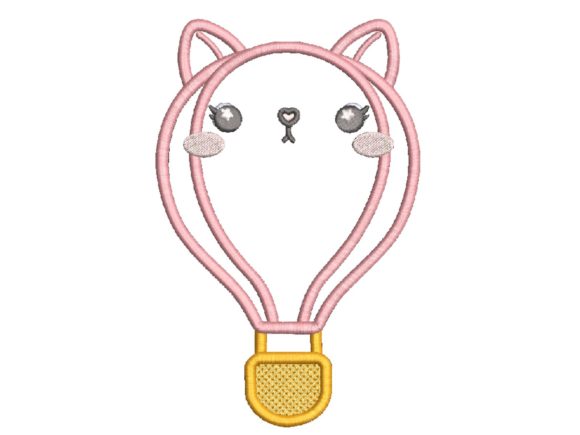
When I first opened the Cat Hot Air Balloon embroidery file, I will admit I was curious how a cat silhouette would translate into a hot air balloon motif. The concept is playful but not childish, whimsical without being saccharine. As someone who has stitched hundreds of commercial embroidery designs over the past decade, I have learned to read a file before ever threading a needle. The Cat Hot Air Balloon design immediately struck me as one of those rare pieces that balances charm with technical restraint. The cat is not just placed on the balloon; it is stitched into the structure of the balloon itself, creating a cohesive visual that feels like a tiny illustration rather than a patchwork of separate elements. The contrast between satin stitch borders and the fill stitch interior gives the balloon body a dimensional quality that flat embroidery often lacks. The color palette, as described, uses contrasting stitching techniques that make the design pop without overwhelming the fabric. This is the kind of design that could easily become a signature piece for a small shop or an Etsy seller looking for something that feels both custom and repeatable.
First Impressions and Visual Personality
The Cat Hot Air Balloon design has a mood that sits somewhere between storybook illustration and modern folk art. The cat is rendered with enough detail to read clearly as a cat—ears, whiskers, tail curving around the basket—but the overall shape of the hot air balloon keeps the composition from feeling too literal. The balloon itself is the dominant shape, with the cat integrated into the patterned sections of the balloon envelope. This is not a design where the cat is a tiny afterthought; it is a central feature that gives the balloon character. The visual personality lends itself to a wide range of projects: baby clothes, nursery decor, personalized gifts, tote bags, and even holiday embroidery for cat-loving friends or family members. The design feels friendly and approachable, which makes it an easy sell for boutique products or handmade items at craft fairs. Customers who see this on a finished product will likely associate it with warmth, creativity, and a touch of gentle humor. For a small business owner, that emotional response is gold. The design does not rely on trendy fonts or overused motifs, so it has a longer shelf life in your digital embroidery file library.
The Real Test: Stitching Performance and Fabric Behavior
I stitched the Cat Hot Air Balloon design onto a medium-weight cotton tote bag as my first test. I chose a natural cream fabric because I wanted to see how the contrasting stitch techniques would read against a lighter background. The satin stitch sections of the balloon envelope came out clean and crisp, with good edge definition. The fill stitch interior held its shape without puckering, which told me the stitch density was well-calibrated for this type of cotton. I then tested it on a ring-spun cotton sweatshirt, which is a trickier fabric because of its slight stretch. With a medium-weight cutaway stabilizer, the design stitched out beautifully. The cat details remained sharp, and the balloon shape did not distort. I also ran a test on a piece of dark denim to check thread color contrast. The design used a combination of warm oranges, soft blues, and a creamy white for the cat and balloon highlights. Against dark fabric, the design popped nicely, though I would recommend checking your own thread color choices if you plan to use it on black or very dark backgrounds. The design performed well on a polyester blend cap as well, though the curve of the cap required careful hooping and a firm stabilizer to prevent the satin stitches from shifting. Overall, the stitch quality is reliable across multiple fabric types, which is exactly what you want from a commercial embroidery design that you plan to sell or use in production.
Best Uses for the Cat Hot Air Balloon Design
Based on my testing, here is where the Cat Hot Air Balloon design truly shines:
- Custom apparel: Sweatshirts, t-shirts, and hoodies are natural fits. The design is large enough to read as a center chest or back motif, but not so large that it overwhelms a standard adult garment. On a toddler or child size, it works beautifully as a front center design.
- Tote bags and accessories: The design is perfect for canvas totes, drawstring bags, or even cosmetic pouches. The balloon shape fits well within a standard 5x7 hoop, and the design does not require a massive stitch area to look complete.
- Baby and nursery items: The cat theme is gentle enough for baby blankets, bibs, and onesies. The design does not have sharp or overly detailed elements that might get lost on tiny garments. Just be sure to use a soft stabilizer suitable for baby skin.
- Personalized gifts: This design lends itself well to adding a name or monogram below the balloon. The composition leaves room for customization without competing with the main motif. If you sell personalized products, the Cat Hot Air Balloon is a strong candidate for your gift lineup.
- Embroidered patches: Because the design has defined satin stitch borders and a self-contained shape, it makes an excellent patch. Stitch it onto twill or felt, cut it out carefully, and you have a professional patch that can be sewn or ironed onto backpacks, jackets, or hats.
- Holiday and seasonal products: The design is not explicitly tied to any holiday, but it works well for a cat-themed Valentine's Day, birthday, or even a "thinking of you" gift. It also fits nicely into a nursery-themed product line.
Where to Exercise Caution
No design is perfect for every situation, and the Cat Hot Air Balloon has a few considerations worth noting. First, the stitch density in the balloon envelope is moderate but not light. On very thin or delicate fabrics like silk or lightweight polyester, you may see some show-through or puckering. Use a lightweight stabilizer and test on a scrap first. Second, the design includes small details in the cat's face and whiskers. These areas are fine for most fabrics, but if you are stitching onto a very textured fabric like fleece or thick terry, those details may become less defined. Consider increasing the stitch density slightly or using a higher contrast thread color for the cat features. Third, on curved surfaces like caps or small cylindrical items, the satin stitch sections may pull if the hoop is not perfectly tensioned. Take your time with hooping and use a stabilizer that can handle the curve. Fourth, if you plan to sell finished products, always check the licensing terms of the digital embroidery file. The design description mentions the beautiful contrast of stitching techniques and color, but does not specify exact commercial use rights. Confirm with the designer or platform before using the design in items you sell. Finally, the design works best in a hoop size of at least 5x7 inches. If you try to size it down significantly for a very small project, you may lose detail in the cat and the balloon pattern. Stick to the recommended hoop size range for the best stitch quality.
Design Notes for Professional Results
If you are planning to use the Cat Hot Air Balloon design in your own embroidery projects or craft business, here are a few practical notes I have learned from testing it:
- Test on scrap fabric first. I know this sounds like obvious advice, but you would be surprised how many stitchers skip this step. The design behaves differently on cotton versus polyester versus linen. Run one test stitch-out before committing to a client order or a batch of products.
- Check thread color contrast. The design description mentions beautiful contrast of stitching techniques, but the actual color combination in your chosen thread set may look different from the preview. Stitch the design in black and white mockup mode first, then try your intended color palette. If the cat blends into the balloon too much, adjust the thread colors to create separation.
- Inspect the small details. The cat's whiskers and the balloon ropes are the most delicate parts of the design. If these areas are too dense or too thin for your fabric, you can edit the file slightly in your embroidery software. Do not be afraid to adjust stitch angles or density if needed.
- Use proper stabilizer. For woven fabrics, I recommend a medium-weight cutaway stabilizer. For knits or stretchy fabrics, use a stabilizer with good recovery. The satin stitch areas will thank you.
- Consider the finished product use. If you are making a product that will be washed frequently, like a kitchen towel or a baby blanket, the design should hold up well. But test a wash cycle on your sample first. The satin stitch edges should be clean and secure before you sell the item.
- Check the design on different fabric backgrounds. The Cat Hot Air Balloon looks entirely different on a light cream cotton versus a dark navy denim. The mood changes, and so does the visual impact. Make sure the version you are using matches the brand and audience you are selling to.
Final Thoughts for the Embroidery Business Owner
The Cat Hot Air Balloon design is a solid addition to any embroidery library, especially if you cater to cat lovers, nursery decor shoppers, or personalized gift buyers. It has enough visual interest to stand out on a boutique product, but it is not so busy that it overwhelms a simple garment. The stitching techniques used in the design create a tactile quality that customers notice when they hold the finished product. That is the kind of detail that builds trust and repeat business. For an Etsy seller or a small shop owner, this design offers flexibility across multiple product types without requiring a huge investment in sampling or editing. It is also a strong candidate for digital product previews and printable mockups, because the shape is recognizable and the colors are appealing. As with any embroidery file, take the time to test it thoroughly before you use it in paid work. But based on my experience, the Cat Hot Air Balloon design is a reliable, charming, and commercially viable motif that will serve you well in a variety of projects. Whether you are stitching a one-of-a-kind personalized gift or producing a small batch of handmade products for a craft fair, this design delivers the kind of visual and technical quality that keeps customers coming back.