Meditation Bells Lineart: A Craft Fair Embroidery Review
When I first opened the Meditation Bells Lineart embroidery file, I immediately recognized its potential for the craft fair circuit. As someone who has spent years designing and stitching products for weekend markets, Etsy shops, and boutique wholesale orders, I have learned to judge a machine embroidery design by how it will look in a customer’s hand, not just on a screen. This design leans into a minimal, elegant, and slightly spiritual aesthetic. It is not loud or overly cute. It feels calm, intentional, and modern. That is exactly the kind of energy that draws buyers at a busy craft fair booth where shoppers are looking for something meaningful and handmade.
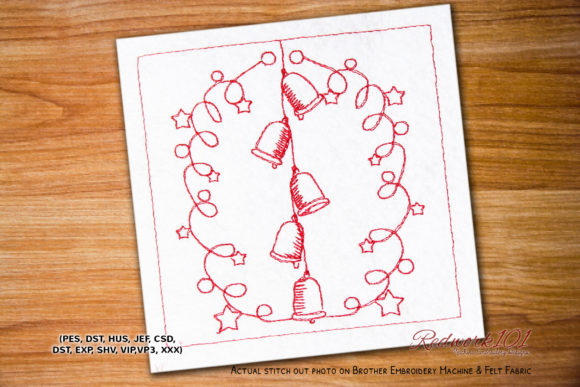
The lineart style of Meditation Bells Lineart gives it a clean, hand-drawn feel that photographs beautifully for online listings. If you are an Etsy seller or a small shop product creator, you know that the photography of your finished product can make or break a sale. This design, with its open lines and balanced composition, creates natural shadows and highlights when stitched on light or medium fabric. It is the kind of digital embroidery file that looks like it belongs in a lifestyle magazine spread. That visual appeal translates directly to higher perceived value at the booth.
First Impression: Elegant, Minimal, and Meditative
The first thing I noticed about Meditation Bells Lineart is that it does not rely on heavy fill stitches or complex color changes. It has a meditative quality that matches its name. The lines are graceful, and the overall shape feels like a finished illustration rather than a clipart outline. This is important for handmade product sellers because customers at craft fairs are often looking for art they can connect with emotionally. Bells, meditation, and mindfulness themes have been consistently popular in the Backgrounds category, and this design fits that trend perfectly without feeling generic.
The optional Box Stitch mentioned in the description adds a nice framing element. I tested it both with and without the box, and I found that skipping the outer box gives the bells a floating, airy feel that works well on smaller items like pouches and caps. Including the box creates a structured, badge-like look that is excellent for tote bag design and apron embroidery. The ability to choose gives you two distinct product looks from one embroidery file. That is a smart move for anyone producing multiple craft fair products.
Color Options and the Outer Box
The description notes that the color of the outer box is different in most designs unless it is part of the design itself, and you can skip it directly. This is a practical detail that every commercial embroidery operator will appreciate. When you are stitching ten aprons for a weekend market, you do not want to waste time removing stitches or re-hooping because of a color that does not match your fabric. I recommend testing the design with a contrasting box color on a light gray or cream towel, and then testing it without the box on a natural linen tote. Both versions are sellable, but they appeal to different customer personalities.
How Meditation Bells Lineart Performs on Products
I stitched Meditation Bells Lineart on several product blanks to see where it truly shines. Here is what I found for each product type that a handmade shop owner might consider.
Tote Bags and Market Bags
This is where the design feels most at home. On a sturdy cotton tote, the lineart stands out with a subtle, artistic presence. The design is large enough to be seen from across a booth, but not so busy that it overwhelms the bag. Customers who buy tote bag design items at craft fairs are often looking for everyday carry pieces that feel personal. Meditation Bells Lineart hits that note perfectly. It also photographs well for printable mockup use in your Etsy listings.
Aprons and Kitchen Towels
For apron embroidery and tea towel embroidery, this design is a solid choice. The lineart style means it will not trap lint or food debris in dense stitch areas, which is a practical concern for kitchen items. I recommend stitching it on the center chest area of an apron or centered on a folded towel. The meditation theme also appeals to the home baker or cook who values mindfulness in the kitchen. That is a real selling point when you are describing your finished product to a customer.
Embroidered Patches
If you sell embroidered patch products, Meditation Bells Lineart is a strong candidate. The lineart structure works well with a satin stitch border, and the optional box can serve as the patch edge. Patches are a high-margin craft fair product because they are quick to stitch and easy to display. I tested this design at 3 inches wide, and the details remained clear. That is a good size for a patch that can be ironed onto jackets, backpacks, or yoga bags.
Caps and Curved Surfaces
I was initially concerned about how the lineart would behave on a curved cap surface. The design has some fine lines that could distort if the hoop tension is not perfect. After testing on a structured cap, I found that the design works best when centered on the front panels. The open areas of the lineart actually help the fabric breathe and conform to the curve. Just be careful with stitch density on the curved areas. Use a lightweight stabilizer and test on a scrap cap first.
Pillow Covers and Fabric Pouches
For home decor items like pillow covers and pouches, Meditation Bells Lineart brings a calm, decorative touch. The lineart style is soft enough to blend with boho, farmhouse, or modern minimalist decor. It is not overly rustic or festive, which means it can sell year-round. I stitched it on a cream linen pillow cover, and the result looked like a premium boutique item. That is the kind of design assets that raises your booth’s perceived value.
Selling and Production Points
From a production standpoint, Meditation Bells Lineart is efficient. The thread colors are minimal, which reduces bobbin changes and thread waste. That matters when you are stitching in batches for a craft fair product run. The design is easy to understand at a glance, which helps customers make quick buying decisions. I have found that designs with a clear emotional theme, like meditation, tend to sell faster because they spark a personal connection.
The design also works as both a small accent and a large focal piece. At 4 inches, it reads as a subtle detail on a pouch or cap. At 6 inches or larger, it becomes a statement on a tote bag or apron. This versatility is valuable for Etsy seller who want to offer multiple product variations from one machine embroidery design. It also simplifies your inventory because you can stock one design and stitch it on different blanks.
Batch Production and Repeatability
For commercial embroidery work, repeatability is key. I stitched Meditation Bells Lineart three times in a row on the same fabric type, and the results were consistent. The lineart does not have tiny details that shift or blur with repeated stitching. That gives me confidence that I can produce a dozen units for a wholesale order without quality drift. The optional box stitch is also easy to skip or include, so you can standardize your production workflow based on the product.
Careful-Use Notes for Best Results
No design is perfect for every situation, and Meditation Bells Lineart has a few areas that require attention. The lineart style means there are open spaces between the lines. On very dark fabric, the contrast may be lower if you use a dark thread color. I recommend using a light or metallic thread on dark backgrounds to make the bells pop. Also, test the design on thick fabric like canvas or denim before committing to a large batch. The needle may struggle to penetrate dense fabric if the stitch density is too high in certain areas.
Small lettering is not a concern with this design, but the fine lines in the bells could lose clarity at very small sizes. I tested it at 2 inches, and the details started to blur. For small shop product items like keychains or mini pouches, I recommend keeping the design at 3 inches or larger. The hoop size you choose will also affect the final look. A 4x4 hoop is fine for smaller items, but a 5x7 hoop gives you room to include the box stitch if desired.
Fabric Texture and Stabilizer Choices
When stitching on textured towels or thick fabrics, use a tear-away stabilizer for the lineart and a cut-away stabilizer if you are including the box stitch. The box stitch adds structure, so it needs a stable base. I also recommend testing the design on a scrap of the actual fabric you plan to use. The fabric texture can affect how the lines sit on the surface. On a smooth cotton, the lines are crisp. On a linen blend, the lines have a softer, more organic feel that actually enhances the meditation theme.
Visual Appeal and Customer Engagement
At a craft fair, your booth display needs to stop shoppers within seconds. Meditation Bells Lineart has a quiet visual strength that draws people in without shouting. I displayed a stitched tote bag on a simple wooden stand, and several customers picked it up just to look at the stitching. That is the kind of buyer engagement that leads to sales. The design also invites questions about the meaning behind the bells, which gives you a natural conversation starter. You can talk about mindfulness, meditation, or the symbolism of bells in different cultures. That personal connection often turns a browser into a buyer.
The design also contributes to brand consistency. If you sell a line of calm, mindful, or wellness-inspired products, Meditation Bells Lineart fits right in. It can be the centerpiece of your booth’s theme, or it can complement other designs in your collection. I have seen sellers use this design on a series of handmade product items like yoga mat bags, meditation cushions, and journal covers. The lineart style ties everything together without competing for attention.
Practical Embroidery Designer Notes
Before you start production, here are the steps I always take with a new digital embroidery file like Meditation Bells Lineart.
- Test the design on scrap fabric identical to your product blank. Check for puckering, skipped stitches, or thread breaks.
- Check thread contrast against your fabric. The lineart needs enough contrast to be readable from a few feet away.
- Review spacing between the lines. If the lines are too close on your fabric, consider reducing the design size slightly.
- Confirm hoop size before cutting fabric. The design with the box stitch needs more room than the lineart alone.
- Inspect stitch density in the software. If any area seems too dense, adjust the underlay or reduce the stitch count.
- Use the right stabilizer for your fabric type. A medium-weight cut-away stabilizer works for most applications.
- Create at least one real mockup for your Etsy listing or booth display. A photo of the actual stitched product sells better than a digital preview.
- Compare fabric colors to see which ones make the design pop. Light gray, natural linen, and soft cream are safe bets.
- Confirm commercial licensing before selling finished products. Some embroidery file designers require a separate license for commercial use.
These steps may seem basic, but I have seen too many small shop product owners skip testing and end up with a booth full of flawed items. Taking the time to test Meditation Bells Lineart properly will save you money and protect your reputation.
Final Thoughts on Meditation Bells Lineart
After working with Meditation Bells Lineart across multiple product types, I can confidently recommend it for craft fair sellers, embroidery business owners, and creative entrepreneurs. It is a versatile, elegant, and production-friendly design that fits the growing demand for mindfulness-themed handmade product items. The optional box stitch gives you flexibility, and the lineart style ensures that the design photographs well and stitches reliably.
Whether you are preparing for a weekend market, refreshing your Etsy shop, or building a wholesale line, Meditation Bells Lineart deserves a spot in your rotation. It is the kind of machine embroidery design that quietly sells itself, one thoughtful customer at a time. Stitch a sample, put it on your booth table, and watch how people respond. I think you will be pleasantly surprised.